
If you have recently experienced a fire at your property, you are likely navigating a whirlwind of stress and uncertainty. Once the first responders leave and the smoke clears, the reality of the damage begins to set in. It is a vulnerable time, and the urge to start scrubbing surfaces and getting back to normal is powerful. However, the first few hours after a fire are critical for your safety and the long-term integrity of your home.
Understanding the fire damage cleanup process is the first step toward reclaiming your space. By approaching the restoration with a clear plan, you can ensure that your home is not only clean but also truly safe for your family to return to. Let’s take a closer look at what is involved with fire damage cleanup.
What to Expect in the First 24 Hours
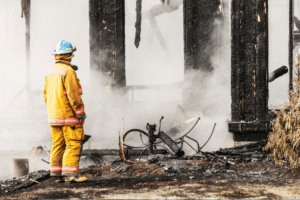
The period immediately following a fire is often called the golden hours of restoration. Even though the flames are out, the chemical reactions caused by smoke and soot are still active.
The Immediate Impact of Fire, Smoke, and Soot
As air cools, a corrosive cocktail of carbon and acid settles onto surfaces. Within minutes, porous materials such as marble or plastic can permanently discolor. Within hours, soot begins to yellow wood finishes and etch glass or metal. Cleanup must start immediately to neutralize these acids before the destruction becomes irreversible.
Why Cleanup Is More Than Surface Cleaning
Standard cleaning cannot fix fire damage. Because smoke is a pressurized gas, it forces soot deep into wall cavities, insulation, and electronics. A surface clean ignores these hidden pockets, meaning odors and toxins will eventually resurface. Professional restoration services treat the entire structure, ensuring the property is medically clean and safe to inhabit.
The Hidden Science of Smoke and Soot
To effectively restore a property, you have to understand what you are fighting. Smoke and soot behave differently depending on what was burning, and each requires a specific scientific approach to remove.
Hidden Smoke Damage and Air Quality Risks
Smoke behaves like a pressurized gas, forcing its way into wall cavities and attic insulation where it remains trapped. Even after the fire is out, these lingering particles degrade your indoor air quality. Professional smoke damage restoration is necessary because:
- Inhalation Risks: Microscopic soot can settle deep in lung tissue, causing long-term respiratory distress and long-term health issues.
- Chemical Off-gassing: Burnt synthetics emit volatile organic compounds (VOCs) that adhere to surfaces and slowly release toxins.
- Infiltration: Smoke particles are small enough to enter the internal circuitry of electronics and the pores of wood framing.
How Soot Cleanup Prevents Long-Term Corrosion
Soot is highly acidic. If left alone, it acts like a slow-moving chemical sandpaper that eats away at your home’s finishes. Professional soot cleanup uses alkaline neutralizing agents to stop this damage before it becomes permanent:
- Metal & Glass: Stops acidic etching on windows and pitting on chrome faucets or other metal appliances.
- Electronics: Prevents conductive soot from short-circuiting TVs, appliances, game systems, and computers.
- Porous Surfaces: Protects marble, granite, and wood from absorbing oils and residues that cause staining.
- Neutralization: Specialized cleaners stop excessive damages, saving items from ending up in the landfill.
The Core Components of Fire Damage Cleanup Services
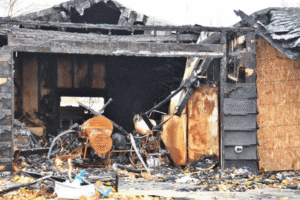
When you hire a professional team, they provide a comprehensive suite of services designed to stabilize the property and prepare it for reconstruction.
Emergency Assessment and Safety Stabilization
The priority is securing the structure. Technicians evaluate the integrity of floor joists and the roof to ensure the building is safe to enter. This stage often includes:
- Board-ups: Securing broken windows and doors to prevent theft or entry.
- Tarping: Covering roof holes to block rain and prevent secondary water damage.
- Bracing: Supporting compromised walls to stabilize the home’s bones.
Fire Damage Removal and Debris Clearing
Once the property is secure, the heavy lifting begins. This involves stripping away charred drywall, flooring, and furniture that are beyond repair. Rapid-fire damage removal is essential because burnt materials are the primary source of lingering odors. By clearing this debris early, air-cleansing equipment can work more efficiently on the remaining structure.
Smoke Damage Cleaning and Odor Removal
This phase requires specialized soot sponges and HEPA vacuums to lift residue without smearing it into surfaces. Because different fires (like grease vs. wood) leave different chemical footprints, technicians use targeted cleaning agents for each. To finish, experts use techniques such as thermal fogging or ozone treatment to neutralize odor molecules trapped deep within wall pores.
A Closer Look at the Restoration Process
The transition from a damaged house to a restored home follows a very specific, documented path.
Inspection and Damage Documentation
Before any cleaning starts, a professional team will perform a room-by-room inspection. This isn’t just for the restoration plan; it’s for your insurance claim as well. They document the extent of the needed restoration, take photos of high-value items, and categorize what is salvageable and what is a total loss.
Cleaning, Decontamination, and Soot Removal
Once the property is stabilized, every inch of the affected area undergoes a deep decontamination. This stage is about restoring the building’s skeleton before reconstruction begins. The process includes:
- Ultrasonic Content Cleaning: Using specialized tanks to vibrate soot loose from delicate items like jewelry, electronics, and heirlooms.
- Abrasive Scrubbing: Technicians may use dry-ice blasting or HEPA vacuuming to remove char from studs and subfloors.
- Thermal Fogging: This process opens the pores of the home’s structure to neutralize odors that have penetrated deep into the building materials.
Structural Fire Damage Repair
Once the home is clean and deodorized, the reconstruction begins. This includes hanging new drywall, painting, installing flooring, and replacing electrical systems. This is the stage where your house finally starts looking like a home again.
The Reality Check: Why DIY Often Fails
In the wake of a disaster, it’s tempting to grab a bucket and some household soap to save money. However, fire damage cleanup is one of the few areas where DIY efforts can actually cause more harm than good.
Why Household Cleaning Products Aren’t Enough
Standard household cleaners are not designed to break down the complex oils found in fire soot. In many cases, using the wrong liquid cleaner can set a smoke stain permanently or push the soot deeper into the grain of the wood.
Furthermore, household vacuums often lack the HEPA filtration needed to trap soot; instead, they simply exhaust the fine particles back into the room, worsening air quality.
The Risks of Incomplete Smoke Damage Restoration
If smoke is trapped behind a wall or inside an outlet, it will eventually find its way out. Many DIY-ers find that their home smells fine in the winter, only for the fire smell to come roaring back as soon as the humidity rises in the summer. Professional smoke damage cleaning ensures that these hidden pockets are neutralized, preventing health risks and reappearing odors.
Moving Forward: Restoring Your Peace of Mind
A fire is a traumatic event, but it doesn’t have to define your home’s future. The goal of professional restoration is to return your life to the state it was in before the disaster—or perhaps even better.
Signs Professional Help Is Needed Immediately
If you can see a shadow of soot on your walls, if the smell of smoke is strong enough to give you a headache, or if your utilities have been cut off due to fire damage, you need a professional team. Fire damage repair is a race against time; the sooner the cleanup begins, the more of your home and belongings can be saved.
Finding Normalcy After a Disaster
Restoring safety and comfort is about more than just construction. It’s about knowing your family is breathing clean air and that your structure is sound. By trusting the experts to handle the heavy lifting, you can focus on your family’s emotional recovery.
Need Immediate Fire Damage Cleanup? Our professional fire restoration services are available to restore your property quickly and safely. Reach out to a team that understands the science of restoration and the importance of a fresh start.