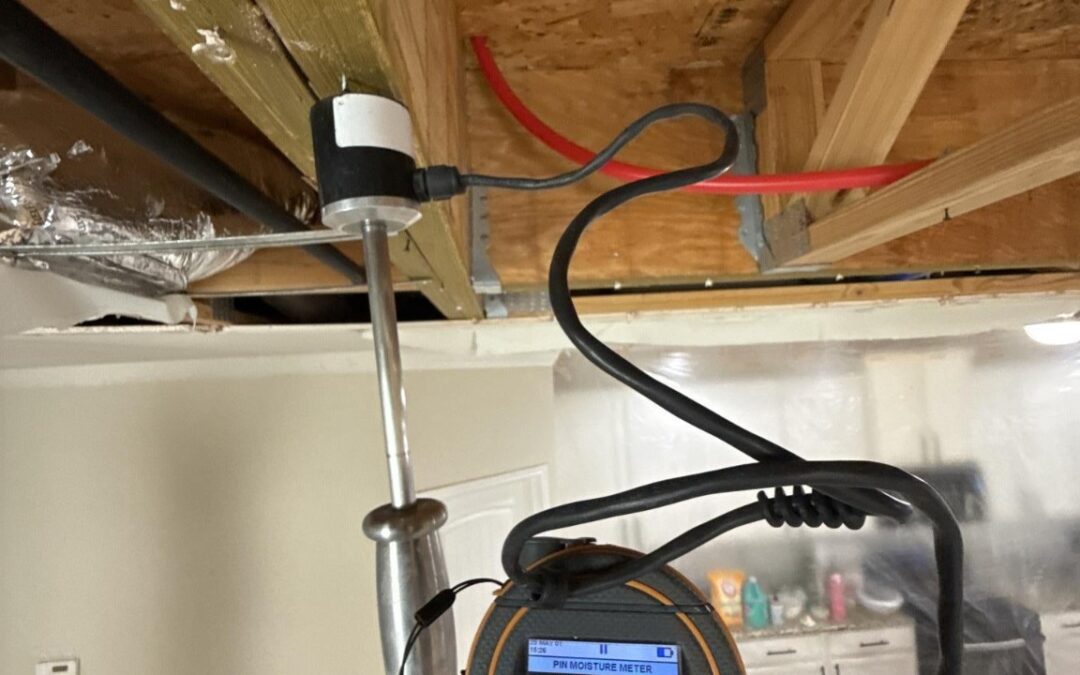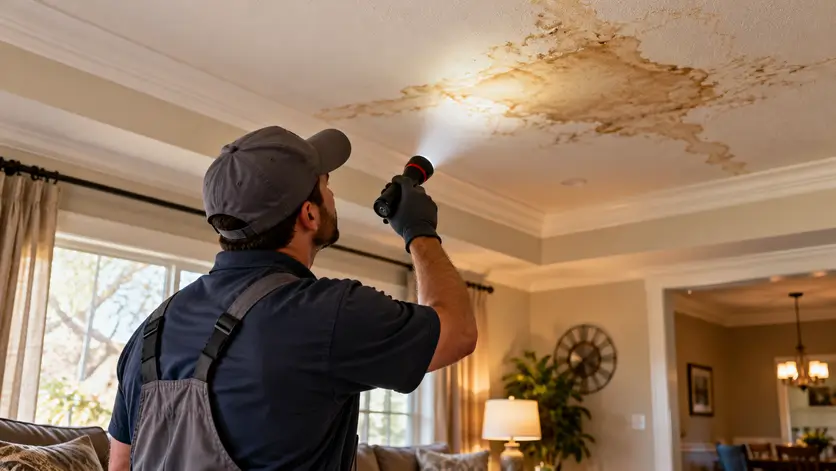

Wet drywall does not automatically need replacement. The water source, the wall’s condition, and the ability to address moisture inside the assembly all matter. A stain alone cannot settle the decision.
For homeowners in Plano, Frisco, and nearby North Texas communities, the useful first question is what the inspection found and why the proposed work is needed.
When can wet drywall be dried in place?
The EPA’s clean-water cleanup guidance allows for drying wallboard in place when there is no obvious swelling and the seams remain intact, with wall-cavity ventilation where possible. This guidance is not a blanket recommendation for sewage, floodwater, or mold-affected materials.
Ask your restoration contractor whether those conditions apply to your wall. A recommendation should address both the material and the space behind it.
What should the assessment explain?
Before approving removal, ask for a clear explanation of:
- Which wall or ceiling sections are affected.
- What observations support drying or removal.
- Whether insulation or adjoining materials need attention.
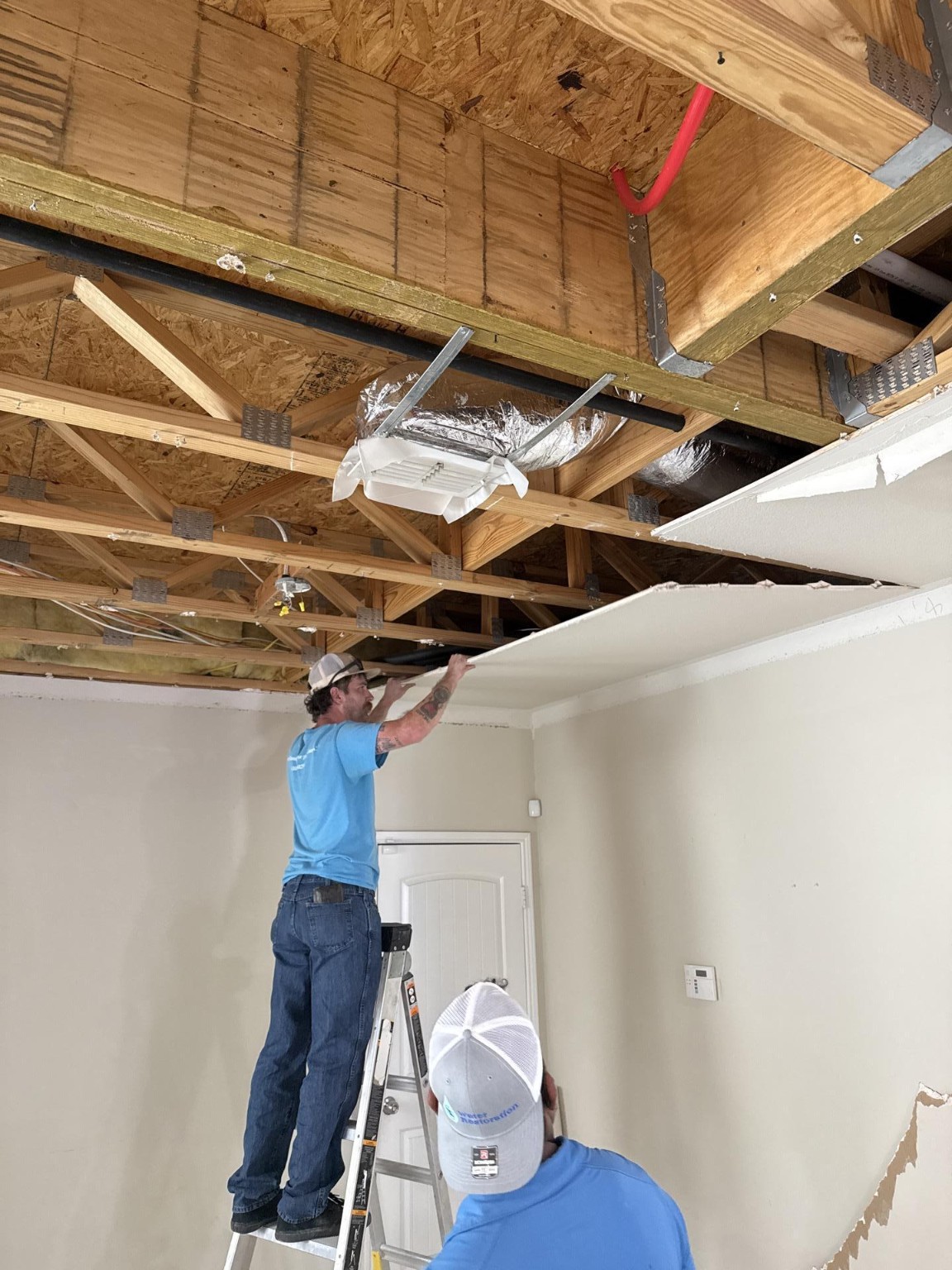
- How the proposed opening relates to the affected area.
- What is included in mitigation and what belongs in later repairs.
Request photographs and a written description of the proposed work. If more damage becomes visible after access is created, ask the contractor to document what changed before expanding the scope.
Does a time limit automatically decide the answer?
The EPA’s table addresses an early response to clean-water damage. It directs readers to further remediation guidance when materials have stayed wet longer or mold growth is present. It also notes that mold timing is not an exact cutoff. Do not treat “less than 48 hours” as a guarantee or a reason to postpone assessment.
If you do not know when the leak began, distinguish the discovery time from the possible duration. Tell the contractor what you observed and what is still unknown.
Do not start with cosmetic repairs
Painting over a stain changes the appearance. It does not establish that the water source has been corrected or that the wall is ready to close and finish. Ask what needs to happen before patching, priming, and painting.
Keep away from sagging ceilings or unstable materials. Do not open walls yourself around possible electrical hazards.
What evidence should support the next step?
Ask which locations were measured, what material was tested, and whether repeat observations support the drying plan. Our guide to water damage moisture readings and drying logs explains how to make sense of that documentation.
If drywall is kept in place, ask how the contractor will address areas that are difficult to inspect. If removal is recommended, ask where the opening will stop and how surrounding finishes will be protected.
Common questions about wet drywall
Does a water stain prove the wall is still wet?
A stain documents a visible change; it does not explain the current condition by itself. Have the affected area assessed before choosing a repair.
Should every affected wall receive the same cut height?
Ask the contractor to explain the proposed opening for each area and the findings behind that recommendation. A standard-looking line is not a substitute for an explained scope.
Who handles rebuilding after removal?
Confirm whether the agreement covers mitigation only or also includes reconstruction. Ask who will coordinate the handoff and what records you will receive.
Get a plan for your wall
SS Water Restoration provides water damage restoration services. Call (469) 737-0296 or request an inspection to discuss the affected area.