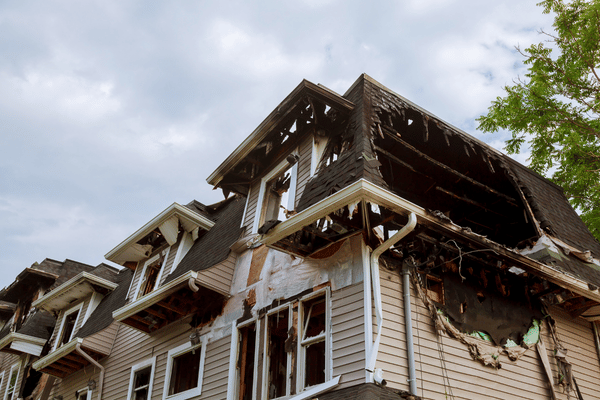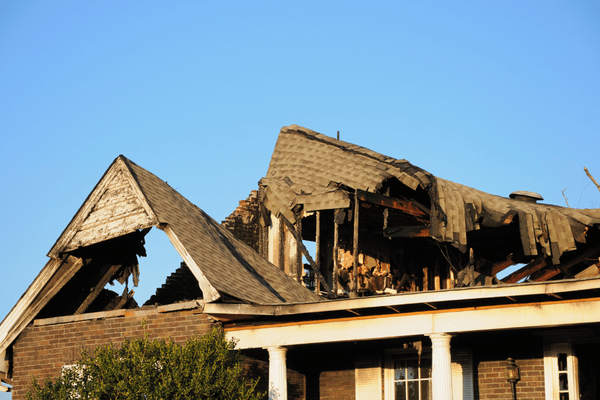

When a fire strikes your commercial property, the clock doesn’t just start—it accelerates. The aftermath of commercial fire damage restoration and cleanup is a complex race against secondary damage, lost revenue, and strict safety regulations. While the flames are the most visible threat, the invisible spread of smoke and corrosive soot often poses the greatest risk to your long-term operations.
In 2026, recovering from a fire is about more than just cleaning surfaces; it is about business continuity. Whether you manage a retail space, an industrial facility, or a corporate office, understanding the specific steps of professional restoration is essential. This guide explains how to navigate the recovery process effectively so you can protect your investment and guarantee a safe environment.
Understanding the High Stakes of Commercial Fire Damage
Unlike residential fires, this one involves high-density environments where smoke and soot can cripple specialized machinery, inventory, and essential infrastructure. Flames cause immediate destruction, but the secondary effects often compromise the property’s structural integrity and air quality long after the fire department leaves.
Beyond the Flames: How Smoke and Soot Infiltrate HVAC Systems
In a commercial building, the HVAC system acts as a highway for contaminants. Within minutes of ignition, smoke permeates the ductwork, spreading toxic particles into areas untouched by the fire. If these systems are not professionally decontaminated, reactivating the air conditioning can cross-contaminate the entire building. This leads to lingering odors and respiratory hazards that can keep your doors closed indefinitely.
Furthermore, acidic soot sitting on delicate coils can cause irreversible corrosion, turning a repairable issue into a total system replacement.
The Chemical Complexity of Commercial Fire Residue
Commercial environments contain synthetic materials and electronics that produce highly corrosive soot when burned. For example, a fire involving PVC or office furniture releases chloride compounds. When these combine with humidity, they create an acidic film. This residue can permanently etch glass and destroy delicate circuit boards in computers or industrial equipment if not neutralized within hours.
Professional fire damage restoration involves identifying these chemical signatures and using the appropriate counteragents to prevent corrosion before it becomes permanent.
Why Speed Is Essential for Business Continuity
When fire damage occurs, immediate action is the only way to mitigate safety risks and guarantee compliance with building codes. Every hour your business remains offline increases the financial impact and the risk of permanent customer loss.
Minimizing Operational Downtime and Revenue Loss
Search for ‘professional fire damage restoration near me’ that focuses on emergency stabilization. This involves boarding up windows and installing drying equipment to prevent secondary issues like mold. By stabilizing the site immediately, you create a controlled environment where restoration crews can work efficiently.
Speed also matters for content recovery. Many businesses have physical records or inventory that can be saved if treated within the first 48 hours, saving thousands in replacement costs.
Meeting Health Codes and Safety Compliance for Reopening
A DIY cleanup rarely meets the rigorous health and safety standards of inspectors. Professional fire damage repair services ensure the building is safe structurally and for air quality. This includes clearing soot from hidden wall cavities and ensuring load-bearing beams meet local safety codes. For restaurants or medical facilities, this compliance is even more stringent, requiring specialized sanitization to pass health department inspections.
The Phases of the Commercial Fire Damage Restoration Process
Effective recovery follows a systematic path. Attempting to skip steps—like painting over soot without neutralizing the odor—will always result in higher costs later.
Phase 1: Emergency Stabilization and Damage Assessment
The first 24 hours focus on safety. Crews identify structural weaknesses and inventory salvageable assets. This assessment serves as the blueprint for your recovery and the scope of work for your insurance adjuster.
Phase 2: Targeted Smoke, Soot, and Odor Neutralization
Restoration professionals use specialized equipment, such as industrial air scrubbers and thermal fogging, to remove fine particles and persistent odors. In commercial spaces, this often includes hydroxyl generators that safely neutralize odors even when people are in adjacent areas of the building.
Phase 3: Fire Damage Repair and Reconstruction
Once the environment is decontaminated, the focus shifts to repair. This includes structural reconstruction, material replacement, and interior finishes. Skilled contractors ensure that every repair complies with current building codes to avoid future legal or insurance complications.
Managing the Commercial Fire Insurance Claim Process
Navigating an insurance claim is as complex as the physical cleanup. Meticulous documentation is the currency of a successful claim.
Documentation and Restoration Coordination
Keep detailed records of every damaged asset, from office furniture to high-end machinery. Navigating an insurance claim is often a meticulous process that requires forensic-level documentation to justify full reimbursement.
Need help with a commercial fire insurance claim? Experienced restoration professionals can guide your business through the process from start to finish, ensuring it emerges from the crisis stronger and more resilient than before.
The Risks of In-House or DIY Cleanup
While it might seem cost-effective to handle recovery in-house, the risks often outweigh the initial savings. It is always best to get expert help for commercial fire damage restoration assistance. Commercial fire residue is chemically complex, and improper handling can lead to permanent property damage.
- Chemical Smearing: Using standard household or janitorial cleaning supplies on acidic soot can cause the residue to smear and permanently set into porous surfaces like marble, wood, or specialized plastics.
- Health Hazards: Without industrial-grade personal protective equipment (PPE), employees risk inhaling toxic ash, fine particulates, and volatile organic compounds (VOCs) that linger long after the flames are extinguished.
- Cross-Contamination: Without professional containment, an in-house crew may inadvertently spread soot and odors through the HVAC system into previously clean areas of the building.
Hidden Damage and the Danger of Claim Denial
The most significant risk of avoiding professional intervention is the potential for an insurance claim denial. Documentation and certified expertise are the foundation of a successful recovery.
- Evidence Erasure: A DIY cleanup can accidentally destroy the forensic evidence your insurance adjuster needs to justify a higher payout for the insurance claim.
- Secondary Damage Liability: If a business performs its own cleanup and later discovers re-bleeding odors or mold growth, the insurance provider may refuse to cover the additional costs because the initial mitigation didn’t meet industry standards.
- Unseen Fire Hazards: Hidden damage within wall cavities or electrical conduits can go undetected by an untrained eye, creating long-term safety risks that jeopardize your entire staff.
Choosing the Right Commercial Fire Damage Restoration Company
Selecting the right provider is the difference between a successful reopening and a failed recovery. Look for:
- Industry Certifications: Seek IICRC-certified technicians specializing in commercial structures.
- 24/7 Availability: Fires don’t happen on a schedule; your team shouldn’t either.
- Commercial Equipment: Residential tools cannot handle the scale of a warehouse or office complex.
Moving Forward: Restoring Your Business Strength
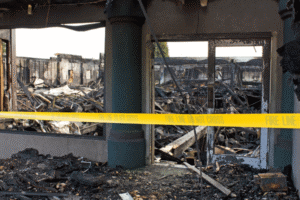
Recovering from commercial fire damage is a marathon, but taking decisive steps early in the process will help you restore normalcy and protect your bottom line. By evaluating the damage, engaging certified professionals for the cleanup, and communicating transparently with your employees, you ensure that your reopening is safe and successful.
Call SS Water Inc. today to get expert help for all of your commercial fire damage restoration and cleanup services!