
Most of us treat any crawl space a bit like a basement’s neglected cousin; we know it’s there, but we really don’t want to go down there unless we absolutely have to. It’s easy to ignore what’s happening beneath your feet when you’re busy with life upstairs, but that hidden area plays a massive role in how your home feels, smells, and even holds itself together. When things go wrong down there, it doesn’t stay local; a damp, dark environment can quietly start affecting your air quality and your floor’s stability before you even realize there is a problem.
Understanding crawl space water damage is about more than just avoiding a few puddles. It is about protecting the lungs of your home. Because of the way air moves, much of what starts in the crawl space eventually ends up in your living room, making moisture management a top priority for any homeowner who wants a healthy, sturdy house.
What Is Crawl Space Water Damage?
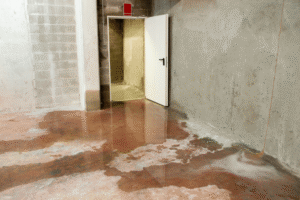
At its simplest, this occurs when excess moisture builds up in the confined areas beneath your home. This isn’t always a dramatic flood; it can be a slow, steady accumulation.
While many homeowners may overlook these areas, addressing the fact that moisture creates a domino effect is essential. It leads to mold growth, structural compromise, and health risks that can eventually migrate into the rest of the house.
Common Causes of Water in Crawl Spaces
When you experience heavy rain or a sudden plumbing failure, your crawl space can quickly become a problem zone.
Heavy Rain, Flooding, and Poor Yard Grading
Heavy rainfall is the leading cause of sudden crawl space flooding. If your gutters are clogged or your yard is graded toward the house rather than away from it, thousands of gallons of water can be funneled directly into the soil surrounding your foundation. This water eventually seeps through the walls or bubbles up from the ground, leading to significant damage.
Internal Threats: Plumbing Leaks and Drainage Failure
Not all water comes from the clouds. Because crawl spaces are rarely visited, a pinhole leak in a pipe can spray water for weeks before being discovered. Common causes include damaged or corroded supply lines, slow-leaking drain pipes, or malfunctioning HVAC condensate lines that drip directly onto the soil.
Recognizing the Warning Signs of Crawl Space Moisture Problems
You don’t always have to crawl under the house to know there’s a problem. Your home will usually give you a few warnings that moisture problems are taking hold.
Visible Red Flags: Mold, Musty Odors, and Standing Water
When moisture accumulates, it creates the perfect breeding ground for organic growth. If you notice a persistent old house smell or if your indoor humidity feels unusually high despite the AC running, the culprit is likely beneath you. Musty smells indicate stagnant air and wood decay, while visible mold often appears as white fuzzy spots or dark streaks on floor joists.
Structural Red Flags: Sagging Floors and Warped Wood
As moisture persists, it softens the wooden subfloor and joists. If you notice a spongy feeling when walking across a room, or if your interior doors have started to stick in their frames, these are structural warning signs. This suggests the wood is losing its load-bearing capacity and requires immediate stabilization.
The Invisible Risk: How Crawl Space Health Affects Your Family
This is the section many homeowners overlook, but it’s perhaps the most important. The health of your crawl space is directly tied to the health of your family.
The Stack Effect: Why You’re Breathing Crawl Space Air
In any home, warm air rises and escapes through the upper levels. This creates a vacuum effect that pulls air from the lowest point (the crawl space) up into your living areas. This is known as the stack effect. If your crawl space is damp and moldy, those spores and allergens are being sucked directly into your bedrooms and kitchen.
Long-term Impact on Energy Bills and Structural Stability
Damp air is much harder (and more expensive) to heat and cool than dry air. When you have water in crawl space areas, your HVAC system has to work overtime to manage the humidity. Over time, this constant moisture also invites wood-boring insects like termites, which thrive in damp, decaying wood.
How Professionals Dry Out a Crawl Space Properly
If you find standing water, a shop vac and a box fan aren’t going to cut it. Learning how to dry out crawl space areas properly requires more than just surface-level fans; professionals use a systematic approach and industrial-grade equipment to ensure the space is not just dry, but sanitized and protected for the long haul.
Water Extraction and Strategic Dehumidification
To effectively address crawl space water damage repair, experts use industrial-grade equipment tailored to the tight confines of a sub-level space. This includes high-volume pumps for water removal and industrial dehumidifiers designed to pull moisture from the air and the wooden structure.
Clearing Contaminated Materials and Sanitizing
Traditional fiberglass insulation acts like a sponge. Once it gets wet, it becomes a breeding ground for bacteria and loses all insulating value. Professionals remove these contaminated materials and apply antimicrobial treatments to the wood to kill mold and prevent its return.
Professional Repair vs. Temporary DIY Fixes
When tackling moisture, many homeowners turn to store-bought solutions like thin plastic tarps. However, these often fall short because they don’t address the root cause.
Why Store-Bought Solutions Often Fail
A thin piece of plastic from a hardware store isn’t a true vapor barrier; it can actually trap water against the soil and create a greenhouse effect that accelerates mold growth. Professional solutions involve thick, reinforced liners that are sealed to the walls and piers.
Permanent Solutions: Vapor Barriers vs. Full Encapsulation
While a vapor barrier covers the ground, full encapsulation seals the entire space from the outside world. This creates a permanent, bone-dry envelope for your home. It’s the difference between a temporary patch and a long-term cure for crawl space moisture problems.
When to Call a Professional for Crawl Space Water Damage
It can be difficult to know if you’re looking at a weekend project or a major repair. You should skip the DIY route and call in an expert if you notice:
- Standing Water: If you have active puddles or lake conditions after a storm.
- Widespread Mold: If you see white, black, or grey growth spreading across more than a few feet of wood.
- Structural Shifts: If your floors are noticeably unlevel or your doors are sticking in their frames.
- The Source is Unknown: If your crawl space is wet but it hasn’t rained and you can’t find a plumbing leak, you may have a groundwater or foundation issue that requires professional diagnostic tools.
Protecting Your Home From Water Damage
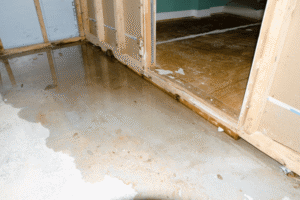
Addressing these issues proactively can save you significant time and money in the long run. To protect your home, consider implementing measures like installing a sump pump to manage excess water and ensuring your gutters discharge at least 10 feet away from the foundation. Regular inspections and a high-quality moisture barrier are the best ways to maintain a dry, healthy environment.
Stop moisture at the source before it threatens your home. For expert crawl space water damage repair and long-term moisture control, contact SS Water today. We’ll help you dry out, clean up, and protect your home for years to come.
Frequently Asked Questions