
When it comes to leak detection and damage inspection, waiting even a few days can lead to severe, life-altering consequences for your property. Hidden leaks are silent threats; they quietly compromise your home’s structural integrity and pave the way for expensive, long-term complications.
We know that early action is the single most effective way to prevent mold growth and protect your investment. Understanding the importance of swift intervention can save you thousands of dollars in restoration costs, but knowing exactly what to look for and how the pros find it is the first step toward a dry, safe home.
What Is Leak Detection?
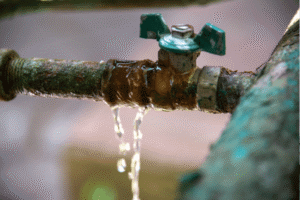
At its core, detecting leakage is the process of locating water escapes that aren’t visible to the naked eye. This is critical because these stealth leaks often remain hidden behind finished surfaces until significant damage has already occurred. By the time a stain appears on your drywall, the water may have been flowing for weeks.
Why Hidden Leaks Are Hard to Spot
Most of your home’s plumbing and high-risk areas are tucked away behind walls, under floorboards, or beneath the foundation. Because water is naturally clear and odorless in its initial stages, a pinhole in a pipe can release hundreds of gallons of water into your wall cavities without making a sound. Without specialized sensors, these leaks act as invisible sponges, soaking into your insulation and wood framing.
How Water Can Travel Beyond the Source
One of the most confusing aspects of water damage is that the visible symptom rarely aligns with the source. Water follows the path of least resistance, meaning a leak in a second-story bathroom can travel and manifest as a ceiling stain in a completely different room. A comprehensive water damage inspection is necessary to trace this path backward, ensuring that the entire affected area is dried out, not just the spot where the water pooled.
Why Early Leak Detection Matters
Early detection is the difference between a simple pipe tightening and a full-scale home renovation. When water sits, it sets off a chain reaction of decay that affects everything it touches.
Preventing Structural Damage and Costly Repairs
Water infiltration can weaken foundations, distort wooden framing, and compromise load-bearing walls. Over time, saturated wood begins to rot and lose its load-bearing capacity, while metal fasteners can rust and fail. By utilizing advanced moisture detection, you can safeguard your investment and minimize the need for structural reconstruction.
Reducing the Risk of Mold and Health Hazards
Mold is an opportunistic organism that only needs 24 to 48 hours of moisture to begin colonizing a surface. Ignoring a slow leak sets the perfect stage for mold growth, which thrives in the dark, damp environments found inside wall cavities. Early detection doesn’t just protect your property; it protects the air quality and health of your family.
How Professionals Discover Hidden Water
When you suspect a leak, the search-and-destroy method of tearing down walls is a thing of the past. Today, professionals rely on non-invasive detection tools to pinpoint problems with surgical accuracy.
Moisture Detection Tools Explained
Modern leak detection is no longer a process of unnecessary demolition. Instead of cutting open walls or tearing up flooring to “find the problem,” we rely on specialized diagnostic tools that pinpoint moisture at its source while minimizing disruption. Here’s how the core technologies work together:
- Infrared (Thermal) Cameras: These reveal temperature differences on surfaces. Because water-saturated materials change temperature, we can see blue cold spots where moisture is hiding.
- Acoustic Sensors: These high-powered microphones allow us to hear the specific hiss or thump of water escaping a pressurized pipe deep underground or behind masonry.
- Moisture Meters: These provide a quantitative dampness reading in materials like drywall, wood, and concrete to confirm exactly how far the water has spread.
When used together, these tools reduce unnecessary damage to your home, shorten diagnostic time, and allow repairs to focus precisely where they’re needed. Instead of exploratory demolition, leak detection becomes a controlled, evidence-based process.
Water Damage Testing and Advanced Infrared Methods
A systematic approach to damage testing involves more than just finding the leak; it’s about creating the moisture map of your home. By using thermal imaging and electronic pipe locators, we can provide a visual assessment of your plumbing system without ever having to pick up a hammer. This accuracy ensures that repairs are localized, saving you time and stress.
The Scope of a Professional Water Damage Inspection
A professional water damage inspection is a systematic evaluation of how and where moisture has affected your property. The goal is to identify the source of intrusion, determine how far water has migrated, and assess what materials can be salvaged versus what requires repair or replacement.
What a Water Damage Assessment Actually Includes
A professional water damage assessment is more than a quick visual inspection. It’s a structured evaluation designed to identify the source of the problem, determine how far moisture has spread, and create a clear recovery plan that prevents secondary damage. A thorough assessment typically includes:
- Source Identification: Stopping the water at its origin to prevent recurrence.
- Structural Evaluation: Checking the integrity of subfloors, studs, and joists.
- Hygrometry: Measuring the humidity levels in the air to ensure the environment doesn’t support further mold growth.
- Action Plan: Providing a clear blueprint for drying, sanitizing, and restoring the affected areas.
A comprehensive assessment reduces guesswork, limits hidden moisture risks, and ensures repairs address both visible damage and underlying structural concerns.
When a Water Damage and Mold Inspection Becomes Essential
If you notice persistent musty odors, visible dark spots on baseboards, or unexplained respiratory irritation among family members, an immediate inspection is non-negotiable. Additionally, any significant event such as a burst pipe or a heavy storm should be followed by professional testing to ensure no secondary moisture pockets are trapped in the structure.
Common Signs of a Hidden Leak in Your Home
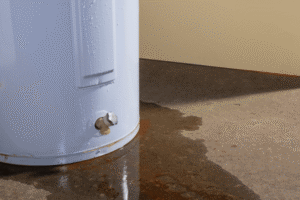
Your home often gives subtle warnings before water damage becomes obvious. Recognizing these early indicators can prevent structural deterioration, mold growth, and costly repairs.
- Visible Clues: Look for yellow or brown stains on the ceiling, peeling or bubbling wallpaper, warped baseboards, or crowning in your hardwood floors.
- Invisible Clues: Be alert for a sudden, unexplained spike in your water bill or a persistent damp smell that doesn’t go away with cleaning.
- Environmental Changes: If one room feels significantly more humid than the rest of the house, it’s a strong indicator of an active moisture source nearby.
While these signs may appear minor at first, water rarely stays confined to one spot. Moisture spreads along framing, insulation, and subfloors, compounding damage over time. Early detection limits structural impact and significantly reduces restoration costs.
DIY Leak Checks vs. Professional Leak Detection
While many homeowners start with a DIY visual check, the limitations of the naked eye often mean the real problem remains undiscovered.
The Limitations of a Visual-Only Inspection
A visual inspection can tell you that a wall is wet, but it cannot tell you where that water originated or if it has seeped into the insulation. DIY efforts often focus on the puddle, while ignoring the leaking pipe behind the vanity. Relying solely on what you can see often leads to a false sense of security, allowing mold to grow unchecked in areas you can’t access.
Why Professional Equipment Is the Safest Choice
Professional equipment offers a level of certainty that flashlights and feeling for dampness simply cannot match. Advanced tools like thermal imaging and ultrasonic sensors allow technicians to find leaks without damaging your investment.
Protecting Your Property with Accurate Detection
Investing in accurate leak detection is a proactive measure that guarantees your home remains safe and secure from unseen threats. By the time damage is visible, the repair bill has usually doubled. Don’t wait for the ceiling to drip or the floor to buckle. Proactive detection ensures that your property stays dry, your air stays clean, and your structural foundation stays strong.
Concerned about water damage or mold? Early moisture detection helps prevent long-term structural issues. Request a water damage assessment from SS Water Restoration today to protect your home and your peace of mind. Remember, in the world of water damage, early action is the only action that truly counts.