

Updated April 8 2026
THE SILENT THREAT: HOW TO SPOT WATER DAMAGE BEFORE IT GETS WORSE
Water damage rarely announces itself loudly. More often, it starts quietly behind a wall, beneath a floor, or inside a ceiling. By the time most homeowners notice something is wrong, the damage has already been spreading for days or even weeks.
For homeowners across North Texas, water damage is a year-round concern. From heavy spring storms to plumbing issues and slab leaks, recognizing the signs of water damage early can help prevent costly repairs and protect your home. Common indicators of water damage include stains, odors, and soft materials, all of which may point to hidden issues. Proper water heater maintenance can reduce the risk of a leaking water heater, one of the most frequent causes of home water damage.
The good news is that early detection saves money, protects your health, and keeps your home structurally sound. This guide will walk you through the most important water damage indicators, explain what is happening inside your walls when you see them, and tell you exactly when it is time to call a professional restoration team.
SS Water Restoration is available 24 hours a day, seven days a week. If anything in this article sounds familiar, do not wait.
TOP SIGNS OF WATER DAMAGE- AT A GLANCE
When problems are not visible, plumbing leak detection is essential for locating moisture before it spreads. Whether the issue is minor or severe, working with a commercial restoration company ensures that water damage is properly identified, contained, and resolved before it leads to structural or mold-related concerns.
If you are trying to quickly determine whether your home may have water damage, look for these common warning signs:
- Yellow or brown stains on ceilings and walls
- Paint that is bubbling, peeling, or cracking
- Warped, buckling, or soft flooring
- A persistent musty or damp odor
- Sudden increases in your water bill
- Visible mold growth or dark spotting
- Damp or humid areas where surfaces should be dry
Even one of these signs can indicate hidden moisture behind walls, under floors, or inside your ceiling. Acting early can prevent costly repairs and reduce the risk of mold growth.
WHAT WATER DAMAGE ACTUALLY LOOKS LIKE IN A HOME
Stains, Discoloration, and Paint Bubbling
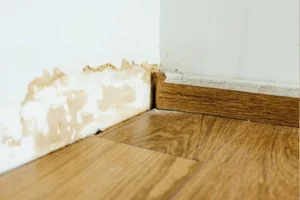
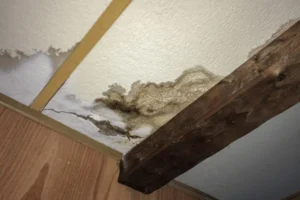
The most common visible sign of water damage in the home is discoloration on walls or ceilings. These stains are usually yellow, brown, or tan and often have a ring-like border where the water dried, leaving mineral deposits behind. If you see a stain with a defined outer edge, water has been sitting in that area long enough to evaporate and leave residue.
Paint that is bubbling, peeling, or blistering is another reliable indicator. When moisture gets behind painted drywall or plaster, it breaks the bond between the paint and the surface. This is especially common in older homes with multiple layers of paint applied over time. What appears to be a cosmetic issue is often a sign of active moisture intrusion behind the wall.
Warping, Buckling, and Soft Spots
Floors are among the most telling places to look for signs of water damage. Hardwood floors that have absorbed moisture will begin to warp, cup, or buckle. You may notice that boards are no longer flush with each other, or that there is a slight rise in one section of the floor. Tile floors may develop cracks or crumbling grout lines, which often point to moisture damage in the subfloor.
Soft spots in flooring, particularly near bathrooms, kitchens, exterior walls, or slab foundations common in North Texas homes, are a serious sign. When you press down and the floor feels spongy or gives slightly, the subfloor material has likely been saturated and is beginning to deteriorate. This kind of structural damage requires immediate professional attention.
THE HIDDEN DANGER: WATER DAMAGE YOU CANNOT SEE
Understanding the signs of water damage is key to protecting your property from long-term issues. Many water damage indicators—like discoloration, musty odors, and warped materials—signal moisture that is not visible on the surface.
Hidden water damage often comes from:
- Poor or neglected water heater maintenance
- A leaking water heater supply line or tank
- Undetected plumbing issues requiring plumbing leak detection
- Slab leaks, which are especially common in North Texas homes
Because this type of home water damage develops out of sight, professional inspection is often necessary to identify and stop it before it spreads.
Inside Walls and Behind Cabinets
Water damage inside walls and cabinetry can go unnoticed for long periods. Watch for:
- Slow leaks from pipe fittings inside wall cavities
- Insulation that becomes saturated and traps moisture
- Drywall that absorbs water and weakens over time
- Conditions that allow mold to develop within 24–48 hours (IICRC standard)
Under-sink areas are especially vulnerable. Check regularly for:
- Soft or deteriorating cabinet wood
- Dark staining or discoloration
- Mineral buildup around pipe connections
- Moisture from a slow drain or supply line leak
Even without visible puddles, these signs can indicate ongoing water intrusion.
Crawl Spaces, Attics, and Basements
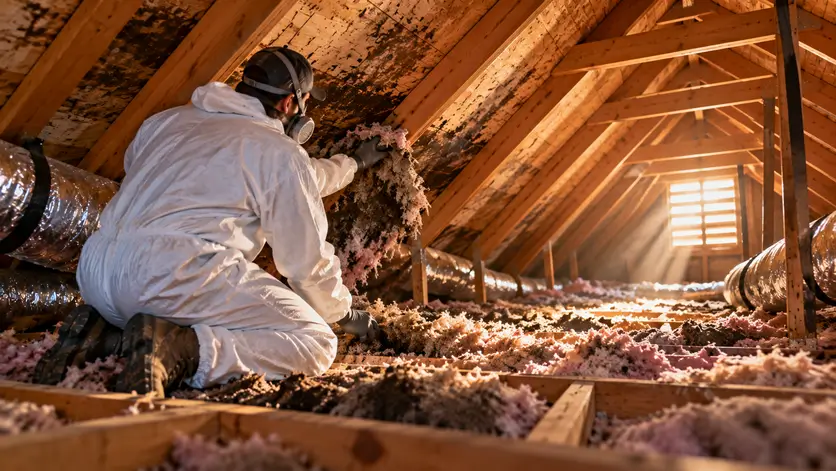
These areas are some of the most common places for hidden water damage to develop. In attics:
- Roof leaks from storms or hail allow moisture to enter unseen
- Poor ventilation causes condensation buildup
- Warm air meeting cooler roof surfaces creates moisture
Signs include dark staining, mold growth, and damaged insulation
In crawl spaces and foundations:
- Expansive clay soil in North Texas can shift and crack foundations
- Water enters through foundation cracks and slab penetrations
- Poor drainage around the home increases moisture intrusion
These regional conditions make regular inspection especially important.
Water Heater Leaks and Issues
A leaking water heater often shows warning signs before failure. Look for:
- Moisture or rust staining around the base of the unit
- Dripping or mineral buildup at the pressure relief valve
- Corrosion on fittings or connections
You may also notice:
- Popping or rumbling sounds from inside the tank
- Sediment buildup causing the system to overwork
- Increased strain that can lead to tank failure
Routine water heater maintenance—including flushing and inspections—can help prevent unexpected water damage.
Plumbing Issues and Unnoticed Leaks
Not all leaks are visible. Many require professional plumbing leak detection to identify.
Common hidden leak indicators include:
- Unexplained increases in your water bill
- Sounds of running water when fixtures are off
- Reduced or inconsistent water pressure
- Damp spots appearing without a clear source
- Persistent musty odors in enclosed spaces
Inside the home, also check:
- Areas where materials meet (tile to drywall, flooring to baseboards)
- White, chalky residue (efflorescence) on concrete or masonry
- Subtle warping or discoloration along edges and seams
How Professionals Detect What You Cannot – Signs of Water Damage
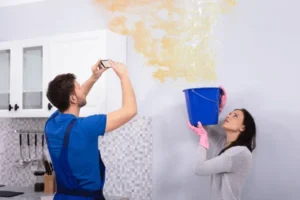
Certified restoration professionals use thermal imaging cameras, moisture meters, and hygrometers to locate moisture that is invisible to the naked eye. Thermal imaging works by detecting temperature differences in building materials, allowing technicians to identify hidden moisture without unnecessary demolition.
This technology is especially valuable in North Texas homes with slab foundations, where leaks can travel beneath flooring before becoming visible.
What Happens When Water Damage Is Not Repaired
Ignoring water damage does not make it better—it makes it significantly worse.
Structural Deterioration
Wood framing, subflooring, and structural components that remain wet will begin to rot over time. In severe cases, floors can become unsafe and structural integrity can be compromised.
Health Consequences of Mold Growth
Mold can begin to grow within 24 to 48 hours. Many species produce allergens and irritants that affect indoor air quality and health. Professional remediation is often required.
PROPER WATER DAMAGE CHECKS WITH THE PROS
The earlier you recognize the signs of water damage, the easier it is to prevent serious structural and health issues. Preventative steps like routine water heater maintenance and professional plumbing leak detection help protect your home.
Partnering with a reliable commercial restoration company ensures that any water damage is handled quickly and thoroughly.
ACT FAST BEFORE DAMAGE SPREADS
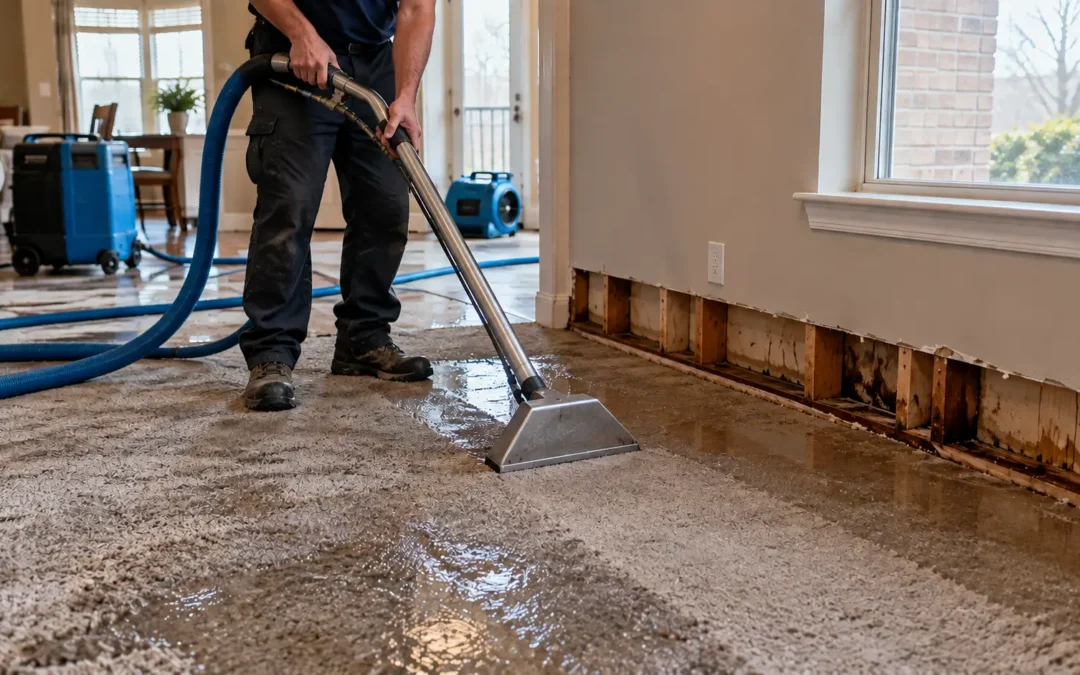
Water damage does not wait, and neither should you. Whether you have found a stain on your ceiling, noticed a soft spot in your floor, or discovered standing water in your home, the time to act is right now.
SS Water Restoration is available 24 hours a day, seven days a week, serving homeowners and property owners across Dallas, Fort Worth, Plano, Frisco, McKinney, and surrounding North Texas communities. Our IICRC-certified technicians respond fast, assess thoroughly, and restore completely.
Call us now for emergency water extraction, professional damage assessment, or to speak with a restoration specialist who can help you take the next step. Do not let a small problem become a major one—we are ready when you need us.