
Experiencing a fire in your home is overwhelming, and the aftermath can leave lasting effects. Smoke damage restoration is a critical process that ensures your home is safe, clean, and free from lingering fire odors. Smoke and soot can infiltrate walls, ceilings, furniture, and even HVAC systems, causing discoloration, structural damage, and persistent odors.
To safeguard your family’s health and property, it is crucial to understand the restoration process and rely on experts like SS Water Restoration. Let’s explore how expert damage restoration restores your home efficiently and effectively.
Understanding Smoke Damage and Its Impact on Your Home
Smoke is deceptively invasive. Even after a fire is extinguished, smoke particles spread far beyond the immediate source, leaving behind soot and stubborn odors that can affect every corner of your home. Knowing how smoke behaves helps you appreciate the importance of professional intervention.
How Smoke Spreads Beyond the Fire Site
Smoke particles are microscopic and can travel through ventilation systems, seep into walls, and settle on furniture and fabrics. These particles carry the odor of fire smoke, which can linger long after the flames are gone. Attempting to clean without proper knowledge can trap these odors deeper into your home, making restoration more difficult.
The Hidden Effects of Soot on Walls and Surfaces
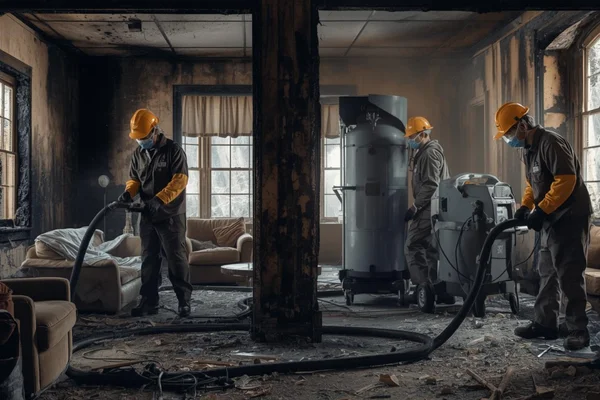
Soot, a fine black residue from smoke, can infiltrate porous surfaces such as drywall, wood, and upholstery. Left untreated, soot can cause permanent staining, deterioration, and even chemical hazards. Soot removal services utilize professional-grade tools to lift soot without spreading it, ensuring your home is safe and fully restored.
Why Fire Odor Lingers Even After Visible Cleanup
Even if surfaces appear clean, smoke odor may persist. Smoke particles bond with carpets, upholstery, and walls, creating deep-seated odors that regular cleaning cannot remove. Professionals use advanced methods, including thermal fogging and ozone treatments, to neutralize these odors at their source, preventing recurring smells and ensuring your home feels fresh again.
The Importance of Professional Smoke Damage Restoration
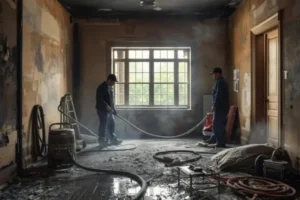
Attempting a DIY cleanup often worsens smoke damage, spreads soot, and leaves lingering odors. Hiring certified fire restoration experts guarantees a thorough approach that restores your home safely and effectively.
Why DIY Cleanup Can Make Smoke Damage Worse
DIY methods rarely address the full scope of smoke damage. Standard cleaning agents cannot break down smoke’s complex compounds, and improper handling can worsen odors or damage structural materials. Certified professionals avoid these pitfalls with specialized equipment and proven techniques.
The Benefits of Hiring Certified Fire Restoration Experts
Professionals bring expertise, training, and equipment designed specifically for damage restoration. They assess the property for hidden damage, remove soot, deodorize spaces, and restore air quality. In accordance with industry standards, certified experts safeguard your health while restoring your home’s integrity.
How Professionals Restore Air Quality and Remove Toxins
Smoke damage often leaves harmful particles and VOCs in the air. Experts use HEPA filtration, air scrubbers, and ozone generators to remove toxins and purify indoor air. By combining surface cleaning with air treatment, they ensure your home is safe and breathable for your family.
The Step-by-Step Smoke Damage Restoration Process
Professional damage restoration follows a systematic process to ensure every aspect of your home is treated.
Step 1 – Assessment and Damage Inspection
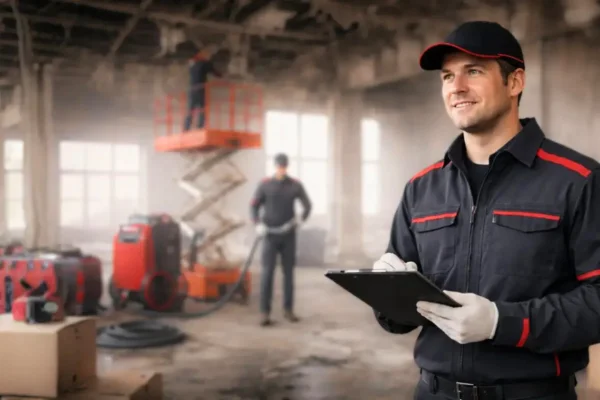
A certified technician inspects walls, ceilings, HVAC systems, and personal belongings to identify smoke penetration, soot deposits, and odor sources. This assessment guides the restoration plan and prioritizes areas needing immediate attention.
Step 2 – Soot and Debris Removal
Soot is carefully removed using specialized sponges, HEPA vacuums, and dry-cleaning techniques. Professionals wear protective gear to prevent contamination and ensure fine particles are captured without further spreading.
Step 3 – Deep Cleaning and Fire Odor Removal
Surfaces are cleaned with tailored solutions, and carpets and upholstery are treated to neutralize odors. Porous materials often require specialized treatments, like vinegar or baking soda applications, combined with HEPA vacuuming.
Step 4 – Air Purification and Ozone Treatment
Air quality is restored using HEPA-equipped purifiers, ozone generators, and controlled ventilation. These methods reach areas that standard cleaning cannot, ensuring complete house fire smoke odor removal.
Step 5 – Repairs, Repainting, and Final Restoration
Damaged drywall, insulation, or furnishings are replaced or restored. Odor-blocking primers and high-quality paints seal in residual smoke particles, and final inspections guarantee a fully restored home ready for safe occupancy.
Effective Fire Odor and Soot Removal Techniques
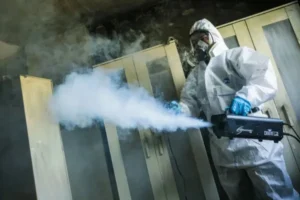
Addressing fire odor and soot requires professional-grade products and specialized methods to restore your home fully.
Professional Fire Smoke Odor Removal Products and Methods
Effective fire odor elimination combines targeted products and systematic approaches:
- Enzyme-based cleaners: Break down odor molecules at the source.
- Activated charcoal: Absorbs airborne smoke particles.
- Chemical foggers: Distribute deodorizing agents across affected areas.
- HEPA filtration: Captures fine soot particles and improves indoor air quality.
- Odor neutralizers: Counteract smoke-related smells on surfaces and fabrics.
Thermal Fogging and Ozone Treatments
Thermal fogging produces heated fog that penetrates porous materials such as walls, carpets, and furniture, neutralizing trapped odors. Ozone treatment oxidizes odor molecules, effectively breaking them down. Both methods require sealing the area and professional handling to ensure safety and optimal results.
Soot Removal Services for Surfaces and Furnishings
Soot can damage walls, ceilings, and furniture if not appropriately addressed. Professional soot removal uses:
- Dry cleaning: Lifts soot with chemical sponges.
- Wet cleaning: Binds soot for thorough removal.
- HEPA vacuuming: Extracts fine particles from fabrics and porous materials.
- Sealing: Prevents residual odors from returning.
HVAC Cleaning for Odor Elimination
HVAC systems often harbor smoke particles that prolong odors. Professional cleaning ensures ducts, filters, and vents are free from soot and contaminants. Technicians may combine filtration, vacuuming, and ozone or thermal treatments to restore air quality, leaving your home fresh and safe.
Preventing Long-Term Smoke Damage in Your Home
Long-term smoke damage can persist if hidden areas and surfaces aren’t treated properly. Inspecting insulation, ductwork, and repainting surfaces are essential steps to maintain air quality and protect your home.
Inspecting Insulation and Ductwork
Insulation and ducts can absorb odors and toxins. Scrutinize these areas:
- Look for discoloration or soot stains.
- Check for debris buildup in ducts.
- Use flashlights or professional inspection tools for hard-to-reach areas.
- Test air quality with expert services.
- Replace contaminated insulation or damaged ducts.
Repainting and Sealing Surfaces
After cleaning, repainting, and sealing, affected surfaces lock in freshness:
- Clean all surfaces with smoke-specific cleaners.
- Repair damaged drywall or wood.
- Apply odor-blocking primer before painting.
- Use durable paint and sealants on porous areas to prevent lingering odors.
Scheduling Follow-Up Cleanings
Ongoing maintenance ensures smoke damage doesn’t return:
- Schedule cleanings every 6 to 12 months.
- Maintain HEPA-filtered air systems.
- Inspect and clean ducts regularly.
- Use ozone generators safely in unoccupied areas.
- Monitor indoor humidity (30–50%) to prevent mold growth.
Why Choose SS Water Restoration for Fire and Smoke Damage
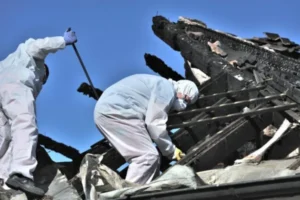
SS Water Restoration is a trusted Texas-based company specializing in fire and smoke damage restoration. We offer 24/7 emergency response, certified technicians, and insurance claim assistance, making the process seamless for homeowners.
24/7 Emergency Response and Rapid Cleanup
We understand the urgency of post-fire restoration. Our team responds immediately to minimize damage, performing rapid cleanup and damage assessment while coordinating with insurance providers.
Certified Technicians with Advanced Odor Removal Tools
Our professionals use ozone generators, hydroxyl machines, and thermal fogging equipment to neutralize fire odors. Each home is treated with precision to ensure lasting results.
Insurance Claim Assistance for Fire Restoration Services
We guide you through insurance claims, document damage, prepare detailed claims, and liaise directly with adjusters to maximize coverage and reduce stress.
Final Thoughts on Smoke Damage Restoration
Smoke damage can be daunting, but professional intervention ensures your home is safe, clean, and restored. From assessment to odor elimination and final repairs, following a structured restoration process is critical. Choosing experts like SS Water Restoration guarantees effective smoke and soot removal, peace of mind, and a healthy living environment.
Don’t let fire odor linger—contact SS Water Restoration for expert smoke and soot cleanup today.