
When it comes to protecting your home, understanding damage inspection is more important than many homeowners realize. Water doesn’t always announce itself with a puddle on the floor or a dripping ceiling. In many cases, moisture hides behind walls, under floors, or inside structural materials, quietly causing damage long before it becomes visible.
That’s where professional water damage inspections come in. Using specialized testing and detection tools, trained inspectors can uncover hidden leaks, trapped moisture, and early signs of deterioration that most people would never notice on their own. Knowing how these inspections work can help you act early, avoid costly repairs, and protect your home’s long-term health.
What Is a Water Damage Inspection?
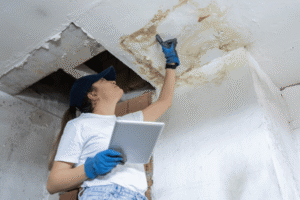
A damage inspection is a professional evaluation designed to identify both visible and hidden moisture problems within a home. Unlike a quick walk-through or surface-level check, a proper inspection looks deeper into walls, ceilings, flooring, and structural components where water damage often starts.
The goal isn’t just to confirm whether damage exists, but to understand where moisture is coming from, how long it may have been present, and what risks it poses if left unaddressed.
How a Damage Inspection Goes Beyond Visual Checks
While stains or warped materials can be obvious warning signs, many water-related problems develop out of sight. That’s why professional inspections go far beyond what the eye can see.
During an inspection, a specialist may use:
- Moisture detection tools to measure dampness inside materials.
- Infrared and thermal imaging to locate temperature changes caused by moisture.
- Targeted structural assessments to identify weakened or affected areas.
This deeper approach helps catch problems early—before cosmetic issues turn into structural or health-related concerns.
Why Damage Inspections Matter More Than Most Homeowners Realize
Water damage isn’t just about appearance. Hidden moisture can compromise a home’s safety, indoor air quality, and structural integrity over time. A professional check helps homeowners understand risks early and take action while solutions are still manageable.
How Hidden Moisture Leads to Mold and Structural Damage
Moisture that stays trapped inside walls, flooring, or insulation creates the perfect environment for ongoing damage. Left untreated, it can lead to:
- Mold growth in dark, damp areas.
- Gradual weakening of wood, drywall, and framing.
- Increased health concerns, especially for those with allergies or asthma.
- Repair costs that grow significantly over time.
What Happens During a Professional Water Damage Inspection
Damage inspections follow a structured process designed to locate moisture, confirm its source, and assess its impact. Inspectors don’t rely on assumptions; they use testing, data, and experience to get clear answers.
Water Damage Testing for Hidden Moisture
This testing focuses on finding moisture that isn’t visible on the surface. This often includes:
- Visual assessments of walls, ceilings, and flooring.
- Moisture meter readings to detect dampness inside materials.
- Thermal imaging scans to locate temperature differences linked to moisture.
- Checks for musty odors or humidity patterns.
Each step helps identify potential issues before they become more serious.
Moisture Detection and Leak Detection Tools Explained
Modern inspections rely on advanced tools to detect moisture and leaks. Moisture meters measure how much water is present inside materials, while infrared cameras highlight temperature changes that often indicate leaks or trapped moisture.
These tools allow inspectors to pinpoint problem areas accurately, reducing guesswork and helping homeowners understand exactly what’s happening inside their home.
Common Sources of Hidden Water Damage in Homes
Water damage doesn’t always come from dramatic events like flooding. In many cases, it develops slowly from everyday systems that fail quietly over time.
Plumbing Leaks and Water Leak Detection
Plumbing leaks are one of the most common sources of hidden water damage. They often occur behind walls, beneath floors, or inside cabinets, out of sight until damage becomes obvious.
Warning signs may include:
- Water stains on ceilings or walls.
- Mold growth in damp areas.
- Unexplained increases in water bills.
- Persistent musty odors.
Professional detection helps locate these issues early, limiting damage and repair costs.
Roof Leaks and Slow Water Intrusion
Roof-related water intrusion can be especially difficult to detect. Small issues like damaged shingles, worn flashing, or clogged gutters can allow water to enter gradually.
Because this damage develops slowly, an inspection is often the safest way to identify roof-related moisture before it affects insulation, framing, or ceilings.
Signs You Should Schedule a Water Damage Inspection
Some water damage signs are subtle, but they shouldn’t be ignored. Scheduling an inspection early can prevent minor issues from turning into major disruptions.
Odors, Stains, Warping, and Unexplained Humidity
You may want to consider an inspection if you notice:
- Persistent musty or damp odors.
- Stains on walls or ceilings.
- Warping, buckling, or soft flooring.
- Peeling paint or wallpaper.
- Higher indoor humidity with no clear cause.
These symptoms often point to moisture hidden beneath surfaces.
Why DIY Checks Often Miss Water Damage
While homeowners can spot obvious issues, DIY checks have limits. Most household tools can’t measure moisture inside materials or locate leaks behind walls.
The Limits of Household Tools and Guesswork
DIY checks often fall short because they:
- Can’t detect moisture in hidden areas.
- Lacks the sensitivity of specialized equipment.
- Rely on visual clues that appear late in the damage cycle.
- Leave room for guesswork and missed problems.
Professional inspections provide clarity and accuracy that DIY methods simply can’t match.
When a Professional Inspection Is the Smartest Next Step
If you’ve experienced recent leaks, flooding, or unexplained moisture issues—or if warning signs keep returning—a professional check is the safest next step. Trained inspectors can identify what’s really happening and help you plan the right response with confidence.
Understanding Water Damage Inspection Cost
Many homeowners worry about inspection costs, but it’s best to think of inspections as a preventative step, not an expense without value.
What Factors Influence Inspection Costs
Inspection costs can vary based on:
- The size of the home.
- The complexity of the layout.
- The extent of suspected damage.
- The tools and testing are required.
Because every home is different, inspections are typically priced based on scope rather than flat assumptions.
Why Early Inspections Often Save Money Long Term
Catching moisture issues early often reduces the need for extensive repairs later. A timely inspection can help homeowners avoid major restoration work, mold remediation, or structural repairs—making early detection a smart investment.
Protecting Your Home With a Professional Water Damage Inspection
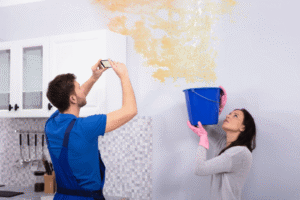
A damage inspection helps identify hidden leaks and moisture early—learn how testing, detection tools, and inspections work together to protect your home and its long-term value. By combining water damage testing with advanced moisture and leak detection tools, a professional evaluation can uncover problems before any visible damage appears. For homeowners, this means clearer answers, fewer surprises, and real peace of mind.
Frequently Asked Questions