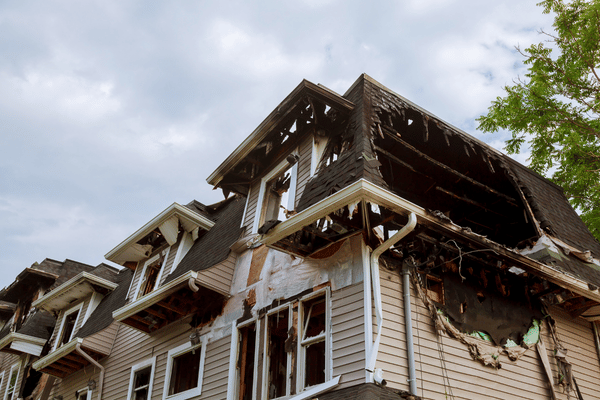

A musty smell in your home is more than a nuisance; it often signals hidden moisture issues that require attention. These odors may come from damp materials, poor ventilation, or lingering water exposure. Ignoring them can allow issues to worsen over time, affecting comfort, air quality, and health. Understanding the causes of water-damage odor, how to recognize it, and how to address it safely can help homeowners take timely, effective action before the damage spreads further.
What Is a Water Damage Smell?
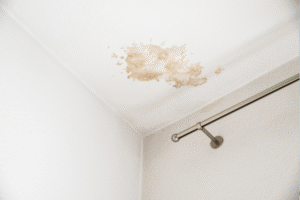
When you notice a musty or damp odor in your home, it often signals water damage. This smell typically comes from mold or mildew growing in hidden areas. Understanding what this smell means can help you address potential issues before they worsen.
What Does Water Damage Smell Like in a Home
Water damage often produces a musty, damp odor that doesn’t go away on its own. The smell is usually described as stale or earthy and may become stronger in enclosed areas or after humidity rises. In many homes, it’s first noticed in places like carpets, padding, or drywall where moisture can linger unseen. This type of odor often signals trapped moisture or hidden water damage that needs attention, even if visible signs aren’t obvious.
Common Sources of Water Damage Odor
Water damage odors often originate from specific areas where moisture becomes trapped. Identifying these common sources helps homeowners understand why smells develop and how to address them effectively.
Carpet Water Damage, Smell, and Padding Issues
Experiencing a musty odor from your carpet can be a clear sign of water damage, often linked to damp padding beneath. This odor indicates trapped moisture and potential mold growth, which can worsen over time. If you notice this smell, it’s essential to inspect the padding and consider replacing it. Addressing the issue promptly can help prevent further damage and health risks.
Hidden Moisture in Walls, Floors, and Ceilings
Hidden moisture in walls, floors, and ceilings is often a significant contributor to odors in your home. This trapped moisture can stem from leaks, flooding, or high humidity. If you notice a musty smell, it’s essential to investigate. Use a moisture meter to pinpoint the source, and consider professional help to guarantee that the issue is resolved effectively and safely.
Why Water Damage Smells Often Come Back
Water damage smells often recur because underlying moisture issues remain unresolved. Understanding why odors reappear helps homeowners focus on lasting solutions instead of repeated surface-level fixes.
Why Surface Cleaning Doesn’t Eliminate Odors
Surface cleaning improves appearance but rarely removes trapped moisture, which can cause water damage and odors. Materials like drywall, insulation, and carpeting can retain moisture beneath clean surfaces. Without proper drying and remediation, bacteria and mold continue to grow, allowing odors to return despite repeated cleaning.
How Moisture and Mold Continue to Produce Odors
Moisture and mold can continue to produce odors long after visible water damage appears to be resolved. Hidden damp areas allow mold spores to survive and reactivate when humidity rises. Without eliminating moisture sources and improving ventilation, these conditions persist, leading to recurring musty odors and ongoing indoor air quality issues.
How to Remove Mold Smells and Musty Odors
Musty odors after water damage are often caused by lingering moisture and mold growth that settle into both building materials and personal belongings. Eliminating these smells requires more than masking them. It means using the right methods for each affected surface. From walls and flooring to fabrics and clothing, understanding how odors cling and how to remove them safely helps prevent recurring smells and further damage.
How to Get Rid of Musty Odors Safely
Musty odors can be persistent in areas affected by water damage or high humidity, often indicating the presence of mold or mildew. To learn how to get rid of musty odors, ensure proper ventilation, use a dehumidifier, and clean surfaces with a water-and-vinegar solution. For stubborn odors, consider using baking soda or activated charcoal to absorb the smell safely and effectively.
Removing Moldy Smells from Clothes
Water damage can leave clothes with a stubborn mildew odor, making them unpleasant to wear even after washing. To remove mold smells from clothes, start by soaking garments in a mixture of white vinegar and water for about an hour. Next, wash items in hot water with baking soda to neutralize odors. Finally, air-dry clothing in direct sunlight whenever possible, as UV exposure helps eliminate lingering smells and prevents odor-causing bacteria from returning.
How to Get Rid of Water Damage Smell the Right Way
Properly removing water-damage odor requires understanding when simple solutions are sufficient and when deeper intervention is necessary. Choosing the right approach helps prevent recurring odors and protects your home.
When DIY Odor Removal May Help Temporarily
DIY odor-removal methods can offer short-term relief after water damage, especially when odors are mild or have recently developed. Materials like baking soda, white vinegar, or activated charcoal can help absorb or neutralize smells on the surface. However, these methods don’t address trapped moisture or contamination below the surface. If the source of the odor isn’t identified and resolved, smells often return over time.
When Professional Water Damage Cleanup Is Needed
Professional cleanup becomes necessary when odors persist despite repeated DIY efforts. Strong odors, visible mold, or signs of structural moisture indicate underlying issues. Trained professionals use specialized equipment to locate hidden damage, remove contaminants, and safely restore affected areas, preventing ongoing odors and protecting indoor air quality.
Health and Air Quality Concerns Related to Water Damage Odors
Water damage smells can affect more than comfort; they can also impact indoor air quality and overall health. Understanding these risks helps homeowners recognize why timely attention and action are essential.
Why Mold Smells Should Never Be Ignored
Mold smells are warning signs of compromised air quality and potential health risks. Prolonged exposure may contribute to allergies, breathing issues, and ongoing irritation. Ignoring these odors allows mold to spread, increasing damage and health risks. Prompt action supports cleaner air, safer living conditions, and long-term home protection.
When to Call a Professional for Water Damage Odor Removal
If you notice a persistent water damage odor in your home, it could signal hidden water damage or mold growth. Don’t ignore these smells, as they can lead to bigger health risks. It’s essential to call a professional when the odor persists, as they have the tools and expertise to identify and address the underlying issues.
Signs the Smell Indicates Hidden Water Damage or Mold
Persistent musty odors often indicate hidden moisture issues. Recognizing accompanying signs helps determine whether odors indicate concealed water damage or mold that requires professional attention.
- Water stains on ceilings or walls, especially spreading rings or discoloration.
- Peeling paint, bubbling finishes, or warped drywall and flooring.
- Persistent dampness near baseboards, cabinets, or beneath sinks.
- Odors intensify after rain, humidity spikes, or HVAC use.
- Unexplained allergies or respiratory irritation among occupants.
- Soft, spongy floors or trim indicate prolonged moisture exposure indoors nearby.
Restoring a Clean, Fresh, and Safe Home After Water Damage
Restoring your home after water damage requires timely action and careful planning. Removing standing water and thoroughly drying affected areas helps prevent lingering issues. Proper moisture control supports effective mold smell removal and protects indoor air quality.
Cleaning surfaces, addressing damaged materials, and improving ventilation all work together to reduce future risks. When handled correctly, these steps restore comfort, promote a healthier living environment, and help safeguard your home and family from long-term water-related concerns.
Final Thoughts on Water Damage Smell
If you notice a water damage smell in your home, don’t ignore it. Act quickly to identify and address the source of the odor, whether it’s mold, mildew, or hidden moisture. Use proper cleaning methods and maintain good ventilation to help eliminate the smell. If the odor persists despite your efforts, it’s wise to call in professionals. Restoring a clean, fresh environment is essential for your health and comfort.
Smelling Musty or Unusual Odors After Water Damage?
Our experts at SS Water Restoration can identify the source and safely remove hidden moisture and odors.