

Water Damage Inspection and Troubleshooting Guide
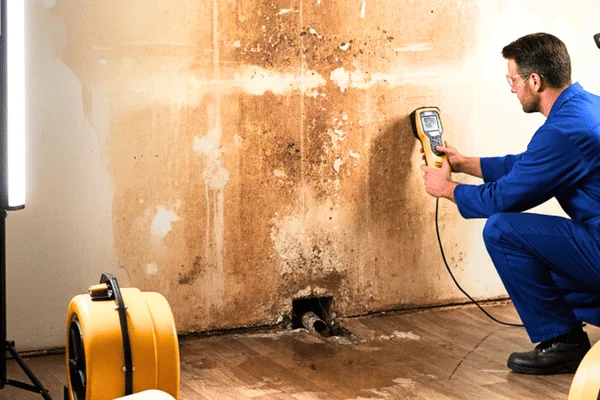
Finding a mysterious damp spot on your ceiling or smelling a persistent musty odor in the basement can be unsettling. Water damage is a silent intruder that often does its worst work behind the scenes.
This guide is designed to help you navigate the early stages of a water damage inspection. By learning the subtle warning signs of moisture detection, you can catch leaks before they turn into structural nightmares. While this guide provides the foundational steps for troubleshooting, our comprehensive eBook (available for download) offers a much deeper dive into the technical side of restoration and insurance claims.
Now is the perfect time to prepare for water damage before it hits!
What This Guide Helps You Do
Most homeowners realize there is a problem only when the damage is already extensive. This guide empowers you to shift from being reactive to being proactive. We will help you:
- Identify high-risk zones.
- Differentiate between minor condensation and a serious burst pipe damage event.
- Understand the tools professionals use for water leak detection.
- Determine exactly when a professional assessment must begin.
- Highlight the importance of local water damage services.

Common Signs of Water Damage You Should Never Ignore
Water is invasive; it travels along floor joists and wicks up drywall. Here is what to look for during your home walk-through.
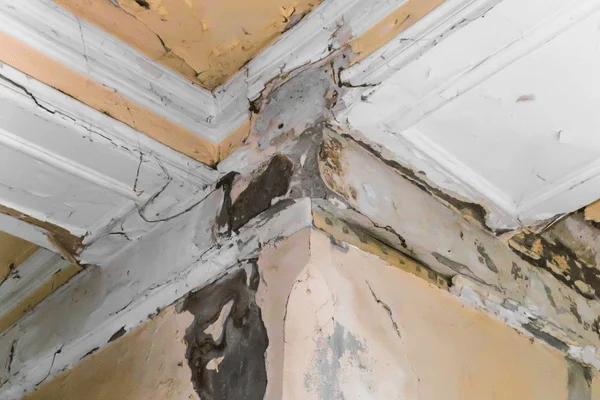
Water Damage in Walls and Ceilings
Damage often starts as a faint, tea-colored stain. As moisture saturates the drywall, the physical structure changes. Keep an eye out for:
- Bubbling or peeling paint.
- Cracked or crumbling drywall.
- Sagging ceilings and roof leak damage.
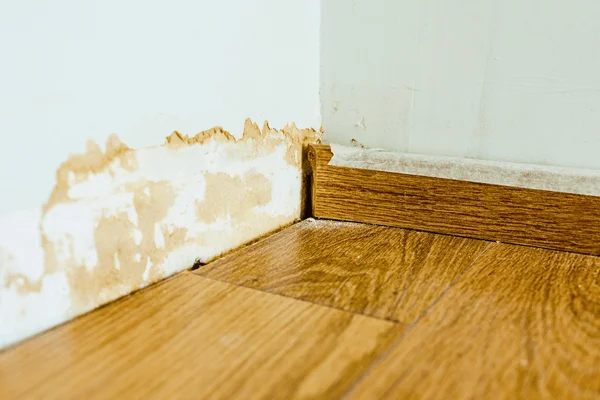
Flooring and Surface Damage
Hardwood and laminate are particularly sensitive. If your floorboards are “cupping” (edges higher than the center), moisture is coming up from below. In bathrooms, look for “spongy” floors near the toilet or vanity. This often indicates a slow, hidden leak that has caused the subfloor to rot.
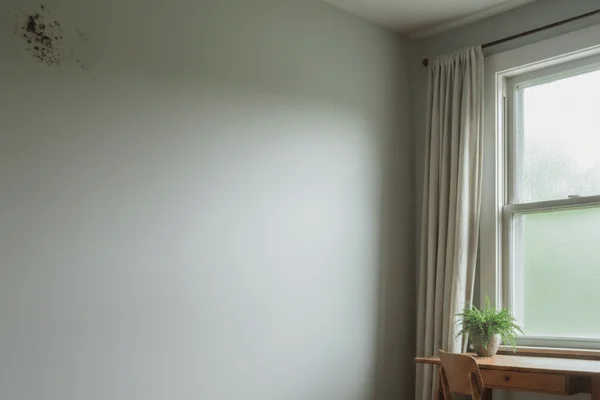
Odors and Humidity Changes
A persistent “earthy” or sour smell is the primary indicator of mold growth. If one room feels significantly more humid than the rest of the house, you may be dealing with a slow leak or poor drainage in a nearby crawl space.
How Professionals Perform a Water Damage Inspection
While a homeowner can spot a stain, a professional uses science to find the water’s hidden path.
What a Water Damage Inspection Includes
A thorough inspection typically includes five critical steps:
- Identify the source of the leak.
- Evaluate the affected materials.
- Measure moisture levels.
- Inspect for mold growth.
- Document findings for insurance.
Water Damage Assessment vs. Visual Checks
A visual check only tells you where the water was. Water damage testing tells us where the water is still hiding. By using non-invasive moisture sensors, we can map out a “moisture map” of your home, ensuring targeted drying, saving you money by preventing unnecessary tear-outs.
Moisture Detection and Leak Detection Tools Explained
Using a moisture leak detector, we determine the “dry standard” of your home—meaning we know exactly how much moisture should be in your materials.
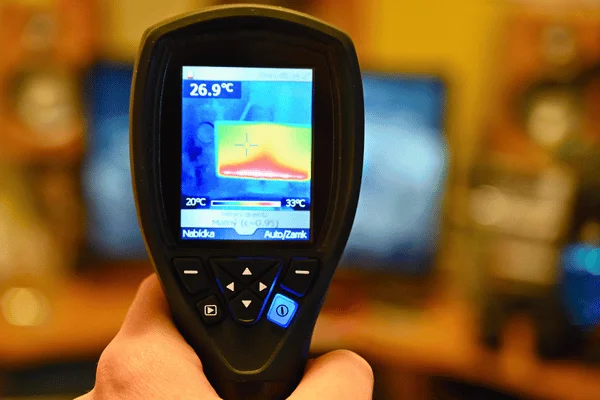
Thermal Imaging
Infrared cameras see temperature differences. Since water-saturated materials are cooler, we can “see” the water trail inside a finished wall without cutting holes.
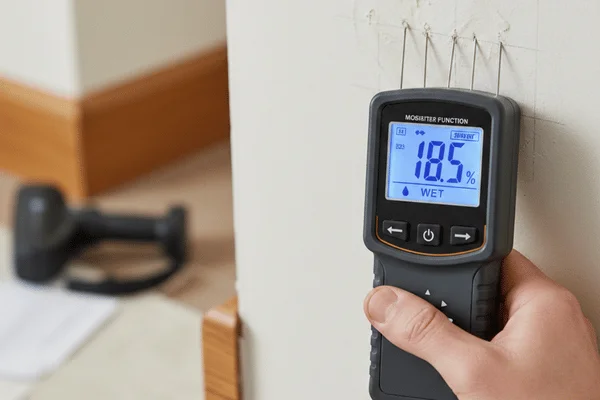
Moisture Meters
These devices give a digital reading of the moisture content in wood, brick, and drywall.
Troubleshooting by Cause: Common Sources

Roof Leak Water Damage
Check the attic for damp insulation. A roof leak can travel down a beam and appear as a stain on the floor.
Burst Pipe Water Damage
“Pinhole” leaks in copper pipes can spray a fine mist inside a wall for months before being detected.
Crawl Space Water Damage
Many Texas homes suffer from “rising damp.” Ground moisture can rot your floor joists from the bottom up if the space isn’t properly encapsulated.
When to Stop Troubleshooting and Call a Professional
- Water is near electricity: Never enter a flooded area if the power is on.
- The source is “hidden”: If you see damage but can’t find the leak, the water is still active.
- Mold is visible; professional remediation is required to protect your indoor air quality.
- The water is contaminated: Sewage backups require professional-grade sanitization.
Download the Complete Water Damage Troubleshooting eBook
This guide is just the beginning. For detailed checklists, tips for insurance adjusters, and a step-by-step guide to the drying process, our full eBook is the perfect resource.

Why Homeowners Trust SS Water Restoration
Our commitment to quality service guarantees you get:
- Rapid response times: We understand that every minute counts in a flood.
- Advanced detection technology: We use the latest gear to find hidden water.
- Thorough damage assessments: No stone is left unturned during our inspections.
- Expert restoration techniques: We focus on saving your materials whenever possible.
- 24/7 emergency support: We are here whenever disaster strikes.
-
Frequently Asked Questions – Water Damage Troubleshooting
1. Is water damage always covered by insurance?
Typically, “sudden” events, such as a burst pipe, are covered. Gradual leaks from lack of maintenance are often denied.
2. How fast does mold grow?
In Texas, mold can begin to colonize within 24 to 48 hours. If the area isn’t dried professionally within that window, mold is highly likely.
3. What is the difference between a moisture meter and a leak detector?
A moisture leak detector measures water inside a material. A water leak detection sensor is an alarm that alerts you when liquid water touches your floor.
4. Can I dry out walls with a household fan?
Usually, no. Household fans don’t have the “static pressure” needed to push air into a wall cavity. Professionals use industrial dehumidifiers to remove moisture from materials.
5. Why does my house smell musty if I don't see water?
This is a classic sign of damage in crawl spaces or a slow leak behind a wall. The moisture is there—it’s just hidden.
What Customers Are Saying











After removing the water, they set up dehumidifiers to prevent further damage to our home. They also made sure the area was fully dried and handled everything related to insurance, making the entire process so much easier for us.
A huge thank you to Stephen, Shelby, Rick, and the entire team for your incredible hard work, professionalism, and reliability. We’re so grateful for your help!
Areas We Serve for Water Damage Inspections
We provide expert damage inspection for Aubrey, Celina, Pilot Point, Frisco, Allen, Dallas, Princeton, Plano, Cross Roads, and more. If you suspect a leak, don’t wait. Visit our Service Area Page to see our full list of Texas communities.
Need Help Diagnosing Water Damage?
Accurately diagnosing water damage often requires more than a quick look. If you identify any red flags, addressing them with professional help is the only way to prevent costly structural failure.
Not sure what you’re looking at? Contact us for a professional water damage assessment today—and for a deeper look at the exact steps to protect your property. Don’t forget to grab our troubleshooting eBook.
