Water damage is among the most common and costly challenges homeowners face. Issues may begin with minor leaks or arise suddenly during storms or plumbing failures. Left unchecked, the impact can be profound. This guide offers general insights for homeowners and buyers, highlighting awareness, preparation, and protection strategies to safeguard property and investment.
Water damage can strike suddenly, and understanding common causes is the first step toward protecting your property. From burst pipes and appliance failures to severe storms, residential and commercial water damage can escalate quickly if not handled properly. Knowing how to deal with water damage in the home means acting fast and calling a professional water damage restoration company – like SS Water Restoration.
Let’s take a deeper look into water damage restoration for Texas homes now!
What Do We Mean by Water Damages in Texas Homes?
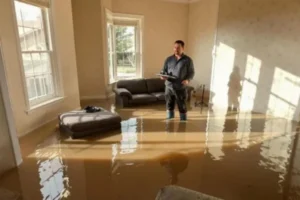
When we talk about water damage in Texas homes, we are referring to a wide range of problems caused by unwanted water inside a property. This can include light wall staining, wet floors, damaged ceilings, or more severe issues affecting the home’s structure. Some water damage happens all at once, while other cases develop slowly over time.
Sudden events include things like burst pipes, heavy storm flooding, or appliances that fail without warning. Slow, hidden problems are often more complex to detect and may involve small roof leaks, tiny plumbing leaks within walls, or poor drainage around the home. In Texas, changing weather conditions, heavy rain, prolonged heat, and occasional freezing temperatures make these problems especially common.
Why Water Damage Is a Big Issue in Texas Property
Water damage is a significant concern for Texas property owners because local conditions increase both the risk and the rate at which damage spreads. Severe storms can bring heavy rain that overwhelms roofs, gutters, and drainage systems. During cold spells, frozen pipes may burst within walls and floors. Foundation movement can also create cracks that allow moisture to enter. High humidity slows drying, allowing hidden damage, mould growth, and poor indoor air quality to develop.
Common Causes of Water Damages in Texas Homes
Water damage in Texas homes often begins in familiar areas. Understanding these common causes helps homeowners spot issues early and reduce costly repairs.
- Heavy rain, roof leaks, and gutter problems: Damaged shingles, faulty flashing, or clogged gutters allow rainwater to enter ceilings and walls. Early signs include water stains, peeling paint, or damp spots. If ignored, moisture can spread, leading to mould growth and structural damage.
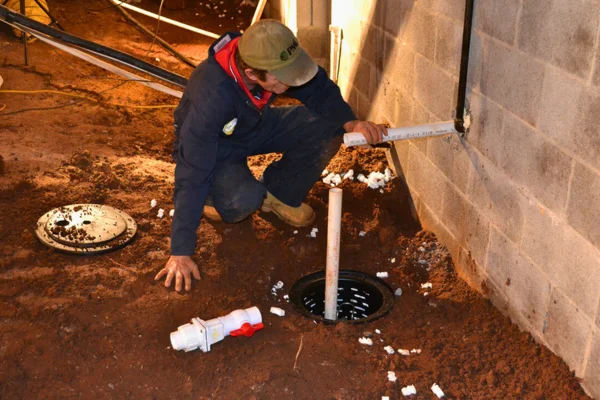
- Slab and foundation leaks: Pipes beneath the home may develop small, hidden leaks. Warm spots on floors, unexplained moisture, or musty odors are standard warnings. Left untreated, these leaks can weaken the flooring and the foundation.
- Burst or leaking pipes: During winter freezes, pipes can crack or burst, causing rapid water loss. Even slow leaks inside walls can cause widespread damage and costly repairs.
- Appliance failures: Washing machines, dishwashers, and water heaters can fail without warning. Pooling water, rust, or unusual noises are early signs. Ignoring them may result in severe damage to floors and cabinets.
- Bathroom and kitchen leaks: Showers, toilets, sinks, and loose connections are common causes of slow drips. Over time, this causes damage to cabinets, flooring, and nearby walls.
- Poor drainage around the property: Improper grading allows water to collect near the foundation. Ongoing moisture can seep indoors, causing long-term structural and indoor air quality issues.
Expert water remediation and clean up services ensure moisture is removed, structures are dried, and mold risks are minimized. For homeowners and businesses alike, trusted Texas home water remediation specialists provide the experience and equipment needed to restore properties safely and efficiently.
Visible and Hidden Signs of Water Damage in a Texas Home
Not all water damage is easy to see. Some of the most serious problems are hidden behind walls or under floors, which is why early detection is so important.
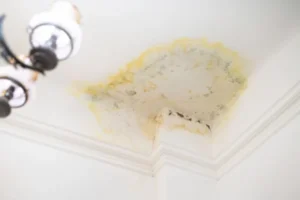
Visible signs include water stains or dark patches on ceilings and walls. Paint may peel or bubble, and wallpaper can loosen. Flooring may warp, swell, or feel uneven underfoot. In more advanced cases, ceilings may sag, tiles may loosen, or plaster may crack and flake.
Hidden signs and red flags are often noticed through changes in smell or texture. Musty or mouldy odours can indicate trapped moisture. Walls or floors may feel cold, damp, or soft. A sudden increase in water use without a clear cause may indicate a hidden leak.
If you notice any of these signs in a Texas home, especially one that has experienced storms or plumbing issues, it is wise to investigate further or contact a local water damage restoration specialist.
Related content: Understanding Coverage for Water Damage Insurance Claims
How Quickly Does Water Damage Get Worse?
Water damage does not stay the same over time. The longer materials remain wet, the more likely they are to develop mould and lose their structural strength. Porous materials such as drywall, insulation, and carpet absorb water quickly and are difficult to dry without proper equipment.
Building guidance recommends removing standing water as soon as possible and drying wet materials promptly to protect indoor air quality. In Texas, heat and humidity can quickly turn a small leak into a much larger problem.
Flooding, plumbing failures, and roof leaks are among the common causes of water damage that affect both homes and businesses. When residential and commercial water damages occur, delays can lead to costly structural issues and health concerns. Understanding how to deal with water damage in the home starts with contacting our water damage restoration company today.
What To Do Immediately If You Spot Water Damage
Water damage in Texas residences can escalate quickly, so acting fast is crucial to protect your home and belongings. Follow these steps immediately:
- Prioritize safety – Avoid areas with standing water when electricity is present or ceilings appear unstable. Turn off power to affected areas only if it’s safe.
- Stop the water source – Shut off your main water supply if a plumbing leak is suspected. For roof leaks, apply temporary coverings only if you can do so safely.
- Remove standing water and protect belongings – Use mops, towels, or a wet/dry vacuum for minor flooding. Move furniture and valuables out of affected areas.
- Document the damage – Take clear photos and videos before discarding or moving items for insurance purposes.
- Call a professional – Contact a local water damage restoration service. Search for “water damages restoration near me” for reliable reviews and recommendations.
How Professional Water Damage Restoration Near You Actually Works
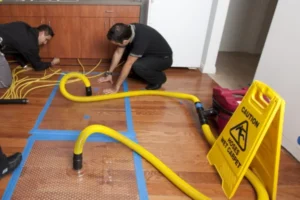
Exploring the restoration process builds confidence, clarifies what to expect, and reassures you when seeking expert help to protect your property from unexpected water damage.
Inspection and Moisture Mapping
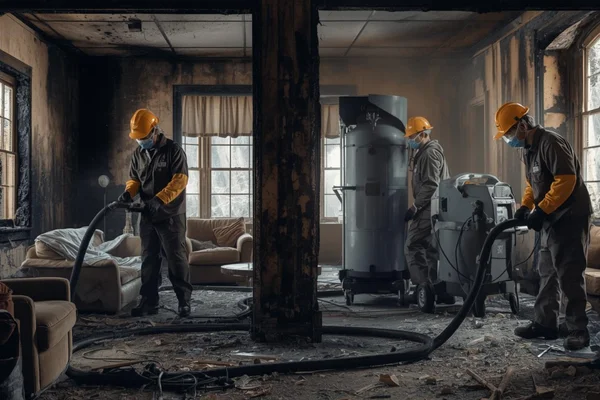
The process begins with a detailed inspection. Technicians look for visible damage and use specialised tools to find hidden moisture in walls, floors, and ceilings. This helps identify the full extent of the problem.
Water Extraction and Initial Cleaning
Any standing water is removed using professional equipment. Moisture is extracted from carpets and flooring, and items that cannot be saved may be removed to prevent further issues.
Drying, Dehumidification, and Mould Prevention
Industrial air movers and dehumidifiers are used to dry affected materials. Moisture levels are monitored regularly until safe conditions are reached, reducing the risk of mould growth.
Repairs, Restoration, and Final Checks
Once the area is dry, damaged materials such as drywall or flooring are repaired or replaced. Final checks are completed to ensure there are no lingering odours, stains, or moisture concerns.
Water Damages When You’re Buying or Selling a Home
Water damages in Texas can significantly impact real estate transactions, so awareness is essential for both buyers and sellers. Buyers should carefully inspect for signs of past damage, request repair documentation, and thoroughly review inspection reports. Undisclosed or improperly addressed water damage in Texas can lead to unexpected expenses and long-term issues, underscoring the importance of due diligence in every transaction.
Sellers, on the other hand, risk reduced property value and delayed negotiations if known issues are ignored. Proactively addressing concerns through professional restoration and maintaining clear records reassures buyers and supports smoother sales. When uncertainty exists, scheduling a professional inspection provides clarity, helping both parties move forward with confidence and ensuring property decisions are based on accurate, reliable information.
When Can You Do It Yourself and When Do You Need Professional Restoration?
Minor water issues, such as small spills on non‑porous surfaces, can often be managed without professional help if cleaned and dried quickly. However, when water soaks into walls, floors, or ceilings, expert restoration is essential.
Signs such as mould, strong odours, recurring leaks, or water in kitchens, bathrooms, or electrical areas require specialized tools and training. Professionals provide thorough solutions beyond typical home equipment, ensuring safety, proper drying, and long‑term protection for your property.
How To Choose a Reliable Water Damage Restoration Company Near You in Texas
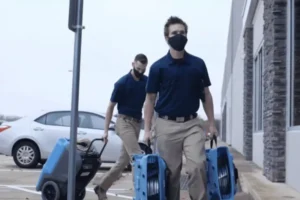
Finding the right “water damage restoration near me” provider can make all the difference in protecting your home. Look for companies with a strong local presence, fast response times, and proper licensing. Certified technicians, positive reviews, and clear communication with written estimates signal quality and reliability.
A trustworthy company guides homeowners through every step, prioritizing safety, thorough restoration, and long-term protection. Choosing the exemplary service ensures your home is restored efficiently, reduces stress, and returns your property to a safe, livable condition.
Final Thoughts on Texas Home Water Remediation
Water damage can happen unexpectedly, and acting quickly is essential to minimize its impact. Prioritize safety, shut off the water source, protect your belongings, and document the damage for insurance purposes. By following these practical steps, homeowners in Texas can reduce repair costs, prevent further damage, and ensure their home remains safe and secure.
Professional water remediation and clean up services address standing water, hidden moisture, and contamination. With expert Texas home water remediation, property owners receive fast response times, advanced drying methods, and thorough restoration solutions designed to return spaces to safe, livable conditions as quickly as possible.
Get Your Texas Home Checked for Water Damages Today!
FAQs
1. What are the most common causes of water damage in Texas homes?
2. How can I tell if a Texas property has hidden water damage before I buy it?
3. How quickly do I need to deal with water damage to avoid mould and structural problems?
4. Can I fix minor water damage myself, or do I always need a restoration company?
5. Is water damage restoration covered by home insurance in Texas?
6. How do I find trustworthy water damage restoration near me?