

Finding a flooded basement in the middle of the night is enough to throw anyone off. Panic might kick in, but keeping calm matters most. Beyond the obvious first moves, there’s a bigger picture to think about—like safety, cleanup risks, and when to call in pros. This guide breaks it down so you’re ready to handle the chaos smartly.
Why Basements Flood — Common Nighttime Causes
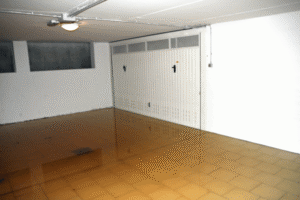
Basements can flood at night for several reasons you may not anticipate. Heavy rain can overwhelm your drainage system, and a power outage can leave your sump pump useless. Additionally, burst pipes or groundwater seepage can creep in while you sleep, leading to unexpected water damage.
Heavy rain and drainage problems
Heavy rain can overwhelm poor drainage, leading to water seepage into basements. This often leads to flooding emergencies, underscoring the importance of proper drainage systems and timely cleanup.
Sump pump failure or power outage
A sump pump failure or sudden power outage can quickly flood basements. Without backup systems or regular maintenance, water can accumulate rapidly, creating stressful situations that demand immediate attention.
Burst or leaking pipes overnight
A burst or leaking pipe overnight can flood basements unexpectedly. Aging plumbing, temperature fluctuations, or poor installation often cause damage, requiring prompt action to minimize risk and protect valuables.
Groundwater seepage and foundation cracks
Groundwater seepage through foundation cracks can flood basements during heavy rain or snowmelt. Addressing cracks, improving drainage, and installing sump pumps helps prevent recurring water damage and costly repairs.
Related content: Essential Kitchen Water Damage Prevention Tips Every Homeowner Should Know
What to Do Right Away With a Flooded Basement
Discovering a flooded basement can be overwhelming. Acting quickly with safety, protection, and documentation minimizes damage and restores control over your space during this stressful situation.
Step 1 – Stay safe and avoid electrical hazards
Basement flooding is dangerous. Avoid wading near outlets or appliances. Shut off the electricity at the breaker if safe. Never use devices until the area is confirmed dry and secure.
Step 2 – Shut off the water source if possible
After ensuring safety, locate and shut off the main water valve. If an appliance causes flooding, unplug it and close its supply line. Quick action reduces damage significantly.
Step 3 – Move valuables and furniture to a dry area
Protect valuables immediately. Relocate electronics, documents, and heirlooms first. Lift furniture off the ground or onto blocks. Work quickly but safely, and ask for help as needed to minimize losses.
Step 4 – Document the damage for insurance purposes
Take clear photos of flooded areas, damaged items, and visible mold. Record cleanup efforts and repairs. Proper documentation supports insurance claims, ensuring coverage and easing recovery during stressful circumstances.
Step 5 – Contact a 24/7 emergency water removal team
Call a 24/7 water extraction team immediately. Their expertise and equipment ensure fast response, thorough extraction, and minimized damage. Provide details, follow instructions, and protect your home from worsening issues.
Why You Shouldn’t Attempt DIY Flood Cleanup Alone
Cleaning a flooded basement may appear manageable, but hidden dangers make it risky. From contaminated water to structural hazards, professional expertise ensures safety, thorough drying, and long-term protection for your home and family.
Hidden risks of contaminated floodwater
Floodwater often contains sewage, chemicals, and harmful bacteria. Exposure without proper gear can cause infections or respiratory issues. Professional cleanup ensures hazardous materials are handled safely, protecting your health while restoring your basement effectively and securely.
Mold growth within 24–48 hours
Mold thrives quickly in damp environments, often appearing within 24–48 hours after flooding. DIY cleanup rarely eliminates hidden spores. Professionals use specialized equipment to prevent the spread and safeguard your health, ensuring thorough, lasting removal.
Structural and electrical safety concerns
Floodwater can weaken foundations and damage electrical systems, posing a risk of collapse or electrocution. Without training, hidden dangers are easily overlooked. Professional contractors ensure safe cleanup, protecting property integrity and personal safety throughout the restoration process.
How professional cleanup ensures complete drying
Proper drying prevents mold and structural damage. Professionals use industrial dehumidifiers and moisture meters to detect hidden dampness. Their expertise ensures complete drying, safeguarding your basement and giving you lasting peace of mind.
The Professional Flooded Basement Cleanup Process
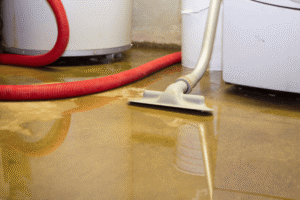
Professional flood cleanup ensures your home is restored safely and thoroughly. From rapid water removal to repairs, experts use specialized equipment and proven methods to protect your property and prevent long-term damage.
Rapid water extraction using industrial pumps
Industrial pumps quickly remove large volumes of water, minimizing structural damage and the risk of mold growth. Acting swiftly protects belongings and the integrity of the home, making 24/7 water extraction essential in professional flooded basement cleanup services.
Drying and dehumidification to prevent mold
After extraction, professionals use industrial fans and dehumidifiers to reduce moisture. Maintaining humidity below safe levels prevents mold growth. Thorough drying ensures your basement remains safe, clean, and protected against long-term water damage.
Sanitization and odor removal
Once dry, sanitization eliminates harmful contaminants while odor removal restores freshness. Professionals disinfect affected surfaces and use advanced methods to neutralize lingering smells, ensuring your basement is safe, clean, and comfortable again.
Damage repair and insurance assistance
Professionals document damage for insurance claims, assist with paperwork, and provide expert repairs. Their restoration services guarantee proper recovery, helping homeowners navigate the process while ensuring basements are safe, functional, and fully restored.
How to Prevent Future Basement Flooding
Preventing basement flooding requires proactive care. Regular inspections, sealing cracks, installing protective systems, and scheduling professional evaluations all help safeguard your home against costly water damage and long-term risks.
Regularly inspect your sump pump and drainage system
Periodically inspecting your sump pump and drainage system helps ensure proper operation before heavy rains. Clearing debris and blockages promotes smooth water flow, reducing the risk of flooding. Proactive maintenance significantly reduces the risk of damage and protects your basement.
Seal foundation cracks and waterproof basement walls
Foundation cracks allow water intrusion, increasing the risk of flooding. Sealing visible cracks with quality materials and waterproofing basement walls creates a protective barrier. These steps keep moisture out, safeguarding your home and preventing costly long-term damage.
Install backflow valves and gutter extensions
Backflow valves prevent sewage from backing up into your home. At the same time, gutter extensions redirect rainwater away from the foundation. Together, these measures reduce pooling risks, keeping basements dry, safe, and protected against future flooding damage.
Schedule annual flood risk inspections
Annual flood risk inspections identify vulnerabilities, such as cracks or drainage issues, before they worsen. Professional assessments provide improvement recommendations to ensure your basement remains secure, dry, and protected. Preventive action safeguards your home effectively.
Why Choose SS Water Restoration for 24/7 Flood Cleanup
At SS Water Restoration, we know floods don’t wait for business hours. That’s why our team is ready around the clock, combining speed, expertise, and compassion to restore your home safely and efficiently.
Fast, Certified Technicians Available Day and Night
Flood emergencies demand immediate action. Our certified technicians respond 24/7, arriving quickly with the skills and focus needed to protect your property. With SS Water Restoration, you’re never left waiting—we’re always ready to help.
Advanced Water Extraction and Drying Technology
We use industrial pumps, high‑efficiency dehumidifiers, and advanced moisture-detection tools to thoroughly remove water. This technology prevents mold and structural damage, ensuring your basement dries completely. Trust SS Water Restoration for safe, efficient restoration.
Complete Restoration and Insurance Support
Flood cleanup is only the beginning. We provide complete flooded basement cleanup services and guide you through the insurance claims process. Our team handles documentation, repairs, and paperwork to reduce stress and restore your home’s safety, comfort, and value.
Final Thoughts — Quick Action Matters Most
Acting quickly when water strikes can dramatically reduce damage and prevent costly complications. Every moment counts, from cutting off power to addressing the source and starting cleanup. Even minor delays can escalate problems, but proactive steps today can protect your home and give you peace of mind. Whether handling the situation yourself or engaging professionals, your timely response can save time, money, and stress—turning a potentially overwhelming situation into one you can manage with confidence.
Dealing with a flooded basement right now? Call SS Water Restoration for 24/7 emergency water removal.