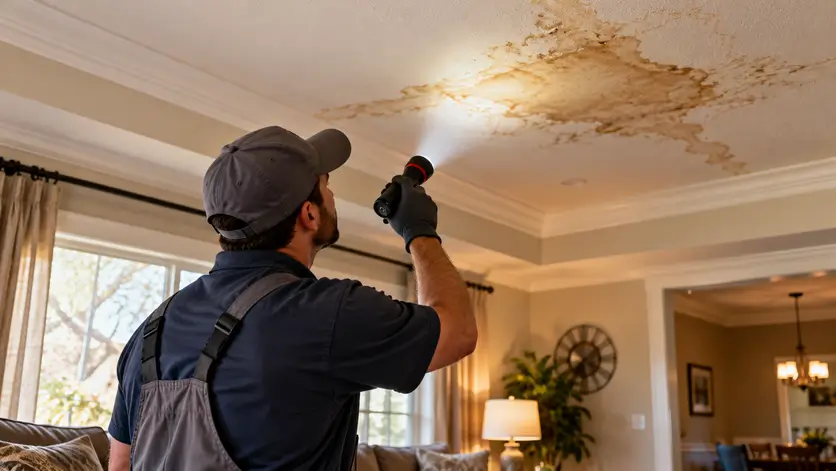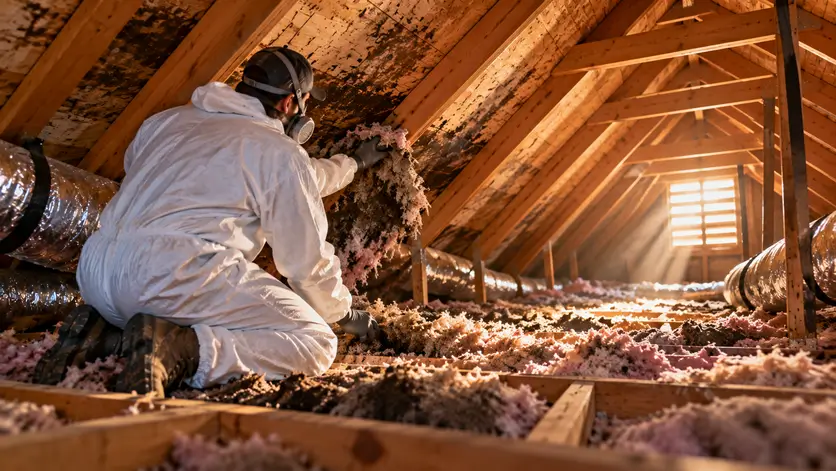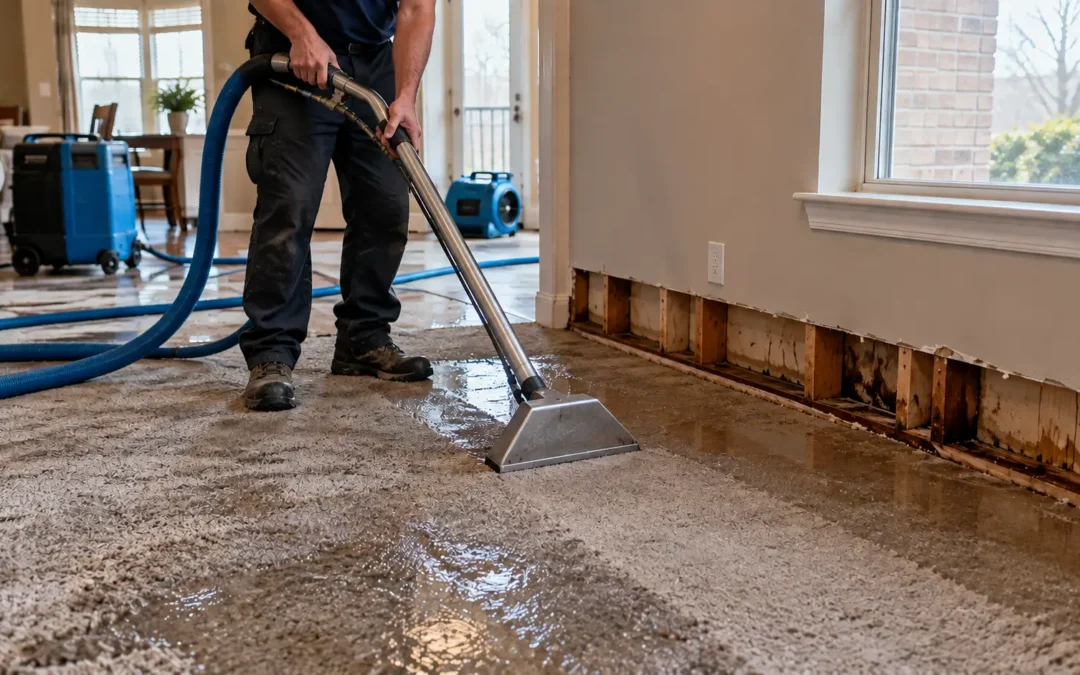


The appliances that make life easier are also the ones most likely to flood your house. A washing machine hose, a corroded water heater, a cracked dishwasher line — each connects to a pressurized water supply that runs around the clock, whether you’re home or not. When one fails, it doesn’t drip. It pours.
This guide covers the appliances most likely to leak, the warning signs to watch, and the simple maintenance that keeps a small failure from becoming a five-figure repair.
Key Takeaways
- Household appliances tied to a water supply — washing machines, water heaters, dishwashers, refrigerators — are among the most common sources of interior water damage.
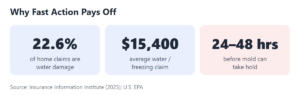
- Water damage and freezing already make up 22.6% of all home insurance claims, averaging $15,400 (Insurance Information Institute, 2025).
- Most appliance leaks are preventable with simple maintenance: replace supply hoses on schedule and inspect connections yearly.
- Speed matters — the EPA says wet materials should be dried within 24–48 hours to prevent mold.
Which Household Appliances Cause the Most Water Damage?
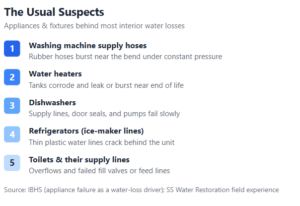
The biggest culprits are the appliances permanently connected to your home’s water supply. The Insurance Institute for Business & Home Safety (IBHS) identifies modern appliance failures as a major driver of interior water loss (IBHS). In practice, that means the same short list of culprits every restoration crew sees: washing machines, water heaters, dishwashers, refrigerators, and the supply lines feeding them.
Why these four? Because they combine constant water pressure with parts that quietly wear out — rubber hoses, steel tanks, and plastic fittings that nobody thinks about until they fail. And when they let go, the water keeps coming until someone shuts off the valve.
Washing Machines: The Most Common Appliance Leak
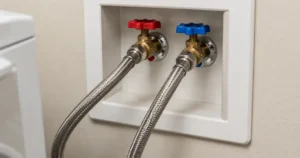
Washing machines are the appliance most likely to flood your home, and the weak point is almost always the supply hose. The rubber hoses that connect the machine to your hot and cold water lines sit under constant pressure and fail near the bend, where the rubber flexes and fatigues over time. When one bursts, it can release dozens of gallons an hour.
The fix is cheap and simple. Swap standard rubber hoses for braided stainless-steel hoses, and replace them on a schedule — a common recommendation from safety researchers like the IBHS is roughly every five years, even if they look fine. Never run a load when you’re leaving the house; a burst hose does its worst damage in an empty home where nobody hears it. Because this water is clean, it starts as the least dangerous kind of leak — but as we’ll see, that doesn’t last.
Water Heaters: Slow Leaks and Sudden Bursts
Water heaters are a close second, and they fail in two ways: a slow leak that rots the floor around the base, or a sudden tank rupture that dumps 40 to 50 gallons at once. Most tank water heaters last only 8 to 12 years, and the risk climbs sharply as the tank ages and sediment and corrosion eat through the steel from the inside.
Watch for rust-colored water, moisture or pooling around the base, popping or rumbling sounds, and any drop in hot-water performance. A water heater in an attic or upstairs closet — common in North Texas homes — is especially dangerous, because a rupture drains straight down through the ceiling. If yours is already showing signs, our guide to a water heater leaking walks through what to do next. A simple drip pan plumbed to a drain buys you valuable protection.
Dishwashers and Refrigerators: The Quiet Leakers
Dishwashers and refrigerators are the sneaky ones — they leak slowly, out of sight, often for weeks before anyone notices. A dishwasher can fail at its supply line, its drain hose, the door gasket, or the pump, and because the damage happens under the counter, it wicks into cabinets and subfloor before it ever reaches open air. Refrigerators with ice makers or water dispensers run a thin plastic line to the back of the unit that becomes brittle and cracks with age.
The danger with both is time. A slow, hidden leak has days or weeks to feed mold and rot — which is exactly why it’s worth knowing the early signs of water damage like warped flooring, musty smells, or cabinet discoloration. Pull the fridge out twice a year and check the line; run your hand under the dishwasher’s edge for dampness.
How Do You Prevent Appliance Water Damage?
Most appliance leaks are preventable, and prevention comes down to a short, repeatable maintenance routine. The goal is simple: replace the parts that wear out before they fail, and catch slow leaks early. A few minutes a season beats a five-figure claim — remember, water damage and freezing already average $15,400 per home insurance claim (Insurance Information Institute, 2025).
Put these intervals on your calendar:
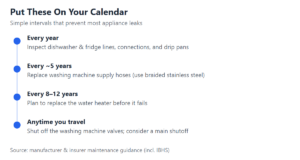
Technology adds a second layer of defense. A smart leak detector placed under each appliance costs little and alerts your phone the moment it senses moisture — catching a slow dishwasher or fridge leak days before it reaches the subfloor. For whole-home protection, an automatic shutoff valve monitors flow at the water main and cuts the supply when it detects a burst, which is the single best safeguard for homes that sit empty during the workday or while you travel.
What Should You Do the Moment an Appliance Leaks?
Shut off the water first, then race the clock. Kill the supply — at the appliance’s shutoff valve or the home’s main — and unplug the unit if you can reach the cord safely. Then move fast, because clean appliance water doesn’t stay clean. It starts as harmless Category 1 water, but the longer it soaks into flooring and drywall, the faster it degrades into contaminated Category 2 or 3 water, as explained in our guide to the 3 water damage categories.
That degradation runs on the same clock as mold: the EPA advises drying wet materials within 24–48 hours to prevent mold growth (EPA). Pull up standing water, get air moving, and document everything with photos for your insurer. And don’t underestimate a “small” leak — one inch of water can cause up to $25,000 in damage (This Old House).
When Should You Call a Restoration Professional?
Call a pro when water has reached flooring, cabinets, walls, or subfloor — not just the appliance pan. A plumber can stop the leak, but they don’t dry the structure or find the moisture hiding under your cabinets, and that hidden moisture is where mold takes hold.
At SS Water Restoration, our IICRC-certified team finds water you can’t see with moisture meters and thermal imaging, dries the structure properly, and handles the insurance documentation. Founder Stephan Sannikov (license #RCO1659) leads a crew that provides water damage restoration across Collin and Denton County.
Appliance flooded your home? Call SS Water Restoration 24/7 at (469) 737-0296 for a free North Texas inspection. We respond fast, dry it right, and bill your insurance directly.
Frequently Asked Questions
What appliance causes the most water damage?
Washing machines are among the most common, and supply-hose failures are the usual cause — rubber hoses fatigue and burst near the bend under constant pressure. Water heaters, dishwashers, and refrigerator ice-maker lines round out the top household sources, consistent with the appliance failures the IBHS flags as major water-loss drivers (IBHS).
How often should I replace washing machine hoses?
Replace them on a schedule rather than waiting for failure — a common recommendation is roughly every five years, and sooner if you see bulging, cracking, or rust. Braided stainless-steel hoses last longer and resist bursting better than standard rubber ones.
How long do water heaters last?
Most tank water heaters last about 8 to 12 years. The failure risk rises sharply with age as sediment and corrosion weaken the tank, so it’s smart to plan a replacement before it ruptures — especially for units in an attic or upstairs closet where a leak drains into living space.
Does homeowners insurance cover appliance leaks?
Usually, sudden and accidental appliance leaks are covered, while damage from long-term neglect may not be. Water damage and freezing make up 22.6% of all home claims, averaging $15,400 (Insurance Information Institute, 2025). Document the source and file promptly.
Is a slow appliance leak dangerous?
Yes — slow leaks are often worse than dramatic ones because they hide. Weeks of hidden moisture behind a dishwasher or fridge feeds mold and rots subfloor. The EPA notes mold can take hold when materials stay wet beyond 24–48 hours (EPA).
The Bottom Line for North Texas Homeowners
The appliances you rely on every day are the ones most likely to flood your home. Here’s what to remember:
- Washing machines, water heaters, dishwashers, and refrigerators cause most household appliance leaks.
- Simple maintenance — braided hoses replaced on schedule, yearly connection checks — prevents the majority of them.
- Clean appliance water degrades into contaminated water fast, so shut off the source and dry within 24–48 hours.
- Once water reaches flooring, cabinets, or walls, call a certified pro to dry the structure and stop mold.
Don’t let a $10 hose cause a $15,000 claim. If an appliance has flooded your home anywhere in DFW, call SS Water Restoration 24/7 at (469) 737-0296 for a free inspection.
Sources
- Insurance Institute for Business & Home Safety (IBHS), State of the Risk: Interior Water Damage, retrieved 2026-07-02, https://ibhs.org/interior-water/state-of-the-risk-interior-water-damage/
- Insurance Information Institute, Facts + Statistics: Homeowners insurance, retrieved 2026-07-02, https://www.iii.org/fact-statistic/facts-statistics-homeowners-and-renters-insurance
- U.S. Environmental Protection Agency, A Brief Guide to Mold, Moisture and Your Home, retrieved 2026-07-02, https://www.epa.gov/mold/brief-guide-mold-moisture-and-your-home
- This Old House, Water Damage Statistics (citing FEMA), retrieved 2026-07-02, https://www.thisoldhouse.com/foundations/water-damage-statistics