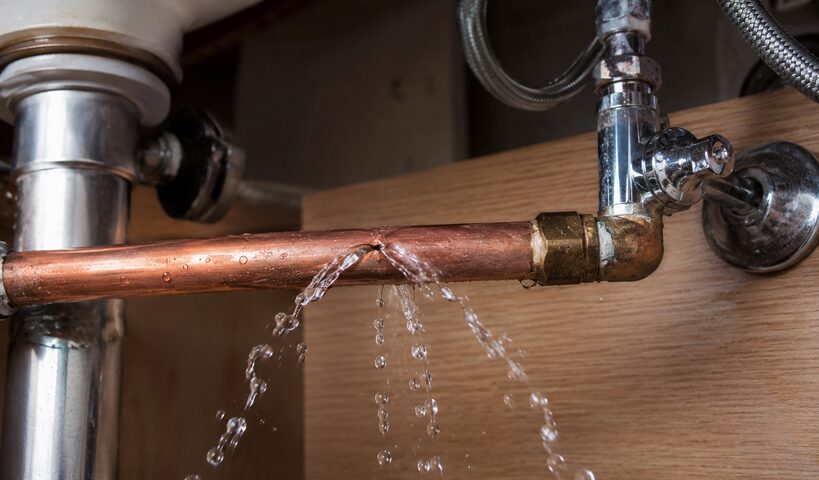

To prepare for a water damage inspection, write down what happened, gather the records you already have, and explain any access or safety concerns when you call. You do not need to diagnose the damage first. The inspection should help turn your observations into a clear next step.
This practical checklist is for North Texas homeowners preparing for a restoration visit. Do not delay an urgent call while collecting paperwork.
1. Write a short timeline
Record when you first noticed the problem, what you observed, and what happened next. Include any water shutoff, plumbing visit, extraction, or cleanup you know about.
If you do not know when the leak started, say so. Discovery time and leak duration are different facts. An accurate timeline can include unknowns.
A useful note might read: “Found water beside the cabinet Tuesday morning. Shutoff closed at 8:15 a.m. Plumber attended that afternoon.” Keep the plumber’s actual findings separate from your own observations.
2. Gather the information you already have
- Photographs or video taken from safe areas.
- Plumbing findings and repair receipts.
- Flooring or cabinet product information.
- Notes about rooms where you noticed changes.
- Records of equipment or cleanup already performed.
- Any earlier inspection paperwork relevant to the same area.
Keep original photographs along with later updates. If you have pictures showing the area before the leak, identify them clearly so they are not confused with current conditions.
3. Explain access and household needs
Tell the company about locked rooms, pets, occupied workspaces, and access limitations. Ask whether you should move ordinary belongings and which areas you should leave undisturbed.
Do not enter an unsafe room just to prepare for the visit. Describe electrical concerns, unstable materials, or suspected growth when you call. Give the team enough information to plan access without asking household members to investigate hazards themselves.
4. Prepare questions about the proposed work
Before authorizing a scope, ask:
- What was inspected, and what remains uncertain?
- What work is proposed immediately?
- Why is each removal or equipment item recommended?
- How will changes to the scope be communicated?
- How will progress and completion be documented?
- Are reconstruction and finish repairs included or separate?
Keep a copy of the written scope and authorization. Ask for clarification when wording does not match your understanding. If the scope changes after materials are opened, request an explanation and updated documentation.
5. Ask how the findings will be recorded
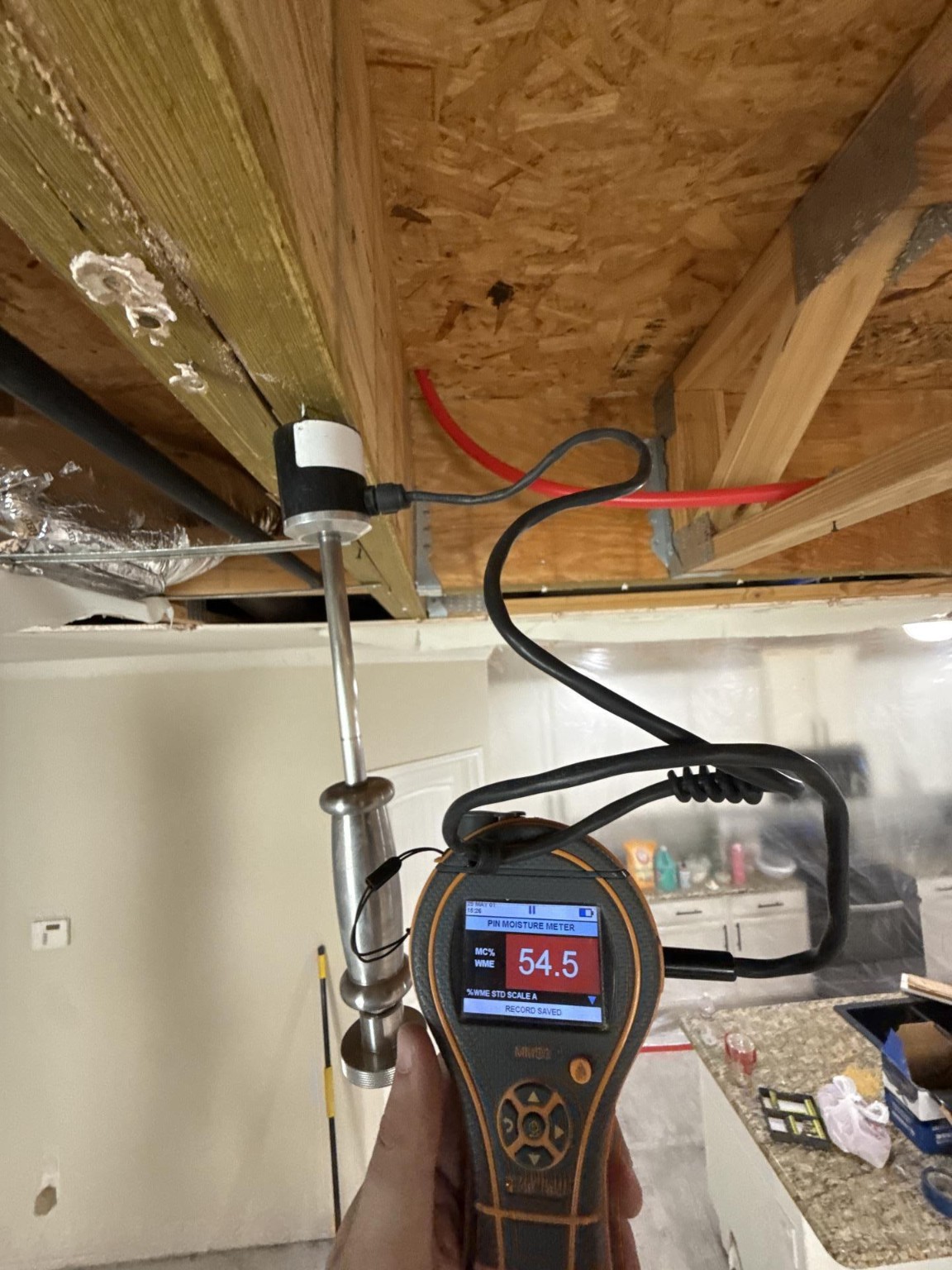
Request explanations that connect to your rooms and materials. A labeled photograph or location sketch can make a measurement record easier to understand later.
Our guide to water damage moisture readings and drying logs explains what to ask when a technician discusses the numbers. You can also read about the structural drying process before discussing equipment and monitoring.
6. Leave with a clear next step
At the end of the inspection, confirm who is handling the leak source, what restoration work is proposed, and when you will receive the next update. Write down the contact person for questions about the scope.
If another contractor will handle repairs, ask what information will be passed along. Keep unresolved questions visible so a later crew does not assume they have already been answered.
Common questions before the visit
Should I clean everything before the inspector arrives?
Ask the company what you can safely do and which areas should stay undisturbed. Do not put yourself at risk to improve the appearance of the room before the visit.
Do I need every receipt before calling?
No. Contact the company with the information you have. Additional records can follow.
What if I notice another affected room later?
Report the new observation and ask whether the inspection scope needs updating. Note when and where you first noticed the change.
Arrange your water damage inspection
Visit our water damage restoration service page for an overview. To arrange an assessment, contact SS Water Restoration at (469) 737-0296.