


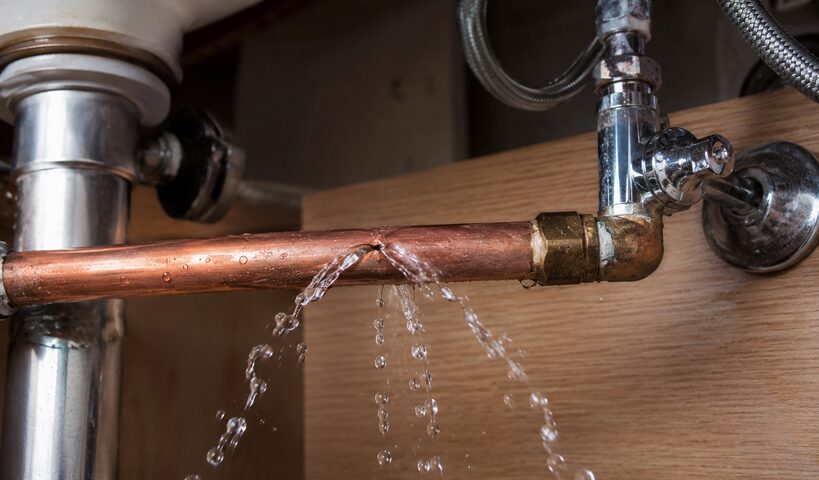
A kitchen sink leak raises two separate questions: what is leaking, and what has been affected? Repairing the plumbing addresses the source. A restoration assessment addresses the surrounding cabinet, wall, and floor materials.
Start with safety. Keep children and pets away from the wet area. Do not reach into wet electrical equipment or attempt repairs around energized components. If you can safely stop the water at an accessible shutoff, do so; otherwise seek qualified help.
Record what you actually observed
Write down when you discovered the water, where you saw it, and whether it appeared during sink or appliance use. Photograph the area from a safe position before cleanup changes its appearance.
Keep observations separate from conclusions. “Water was on the cabinet floor this morning” is useful information. It does not prove when the leak began. If the cabinet was already stained before this event, say so rather than guessing which marks are new.
Save plumbing repair notes and photographs if you receive them. Tell the restoration contractor whether the source has been repaired or is still under investigation.
What areas should the kitchen sink leak assessment address?
Ask whether the inspection includes the cabinet base, adjoining wall, nearby flooring, and accessible areas beside the cabinet. Ask what cannot be inspected without additional access.
The purpose is to establish a clear scope. You should understand which materials are being kept, which need further evaluation, and why any removal is proposed. A brief written explanation is easier to review than an unexplained list of equipment or demolition items.
- Where was moisture or visible damage found?
- Which surrounding areas were checked?
- What is the proposed drying or removal plan?
- What will be monitored before the area is repaired?
- What conditions would require the plan to change?
Discuss preservation and repairs separately
Before agreeing to cabinet removal, ask how the contractor plans to protect nearby finishes and document the existing condition. Ask whether the quoted work covers mitigation only or also includes rebuilding.
Keep available cabinet product details, installation records, or leftover finish samples. These can be useful to the repair contractor later. Do not assume a mitigation estimate already includes matching doors, countertops, paint, or flooring; ask which items are part of the agreement.
If the plan changes after an area is opened, request photographs and an explanation before approving additional work.
Address moisture rather than covering the evidence
A shelf liner or new finish can hide a mark without resolving the underlying issue. The EPA emphasizes correcting the water problem when addressing mold; otherwise, the problem may return. If you notice suspected growth, have the condition assessed before disturbing the area.
Ask what the drying records show for the cabinet and surrounding materials. Our explanation of moisture readings and drying logs can help you understand the information supplied.
Common questions after a sink leak
The plumber repaired the leak. Is the restoration work finished?
The plumbing repair answers the source question. Ask whether the affected materials have also been assessed and whether any further work is recommended.
Does every wet cabinet need replacement?
Ask for an assessment of the specific cabinet and an explanation of the proposed work. The material, observed condition, and access needs should be part of that discussion.
What should I tell the restoration company when I call?
Describe where you found water, when you discovered it, whether the source is repaired, and whether you noticed changes beyond the cabinet. Mention electrical concerns or suspected growth so the company can plan the next step.
Get help with the affected materials
For help after a kitchen sink leak, contact SS Water Restoration at (469) 737-0296. Learn more about our water damage restoration services and bring any plumbing findings to the assessment.
