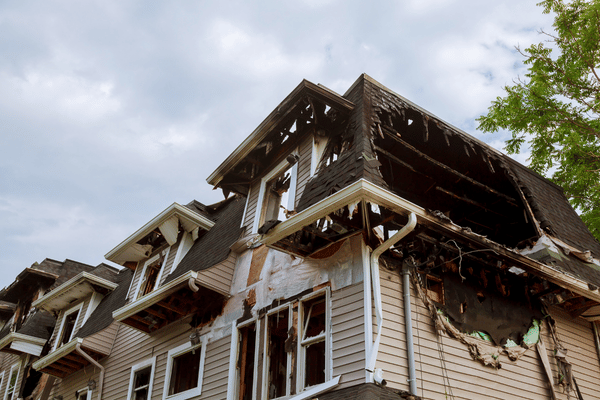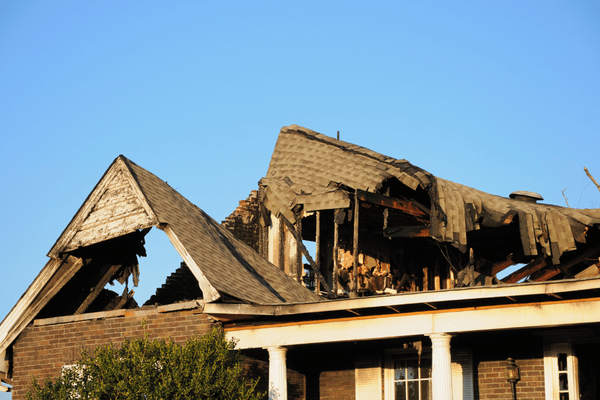

Water-damaged laminate flooring raises serious concerns for homeowners. Brief exposure may allow limited recovery, but more serious or widespread damage often requires replacement. Once moisture reaches the core, swelling prevents boards from returning to their original shape. In North Dallas homes, common causes include appliance leaks, bathroom overflows, storm intrusion, or sudden pipe issues. Let’s take a closer look at what is involved in salvaging water-damaged floors in your home or business!
Signs Your Laminate Flooring Is Water Damaged
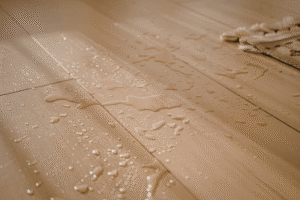
After storms or indoor leaks in North Dallas properties, water damage to laminate flooring can show up quickly. Knowing what to look for helps you respond before the situation worsens.
- Warping, buckling, cupping, or lifting at the edges
- Stains, discoloration, or bubbling on the surface
- Soft or spongy sections under your feet
- Musty smells or visible mould near the boards or skirting
If you notice any of these symptoms after recent water exposure, treat them as an urgent issue. It is not just a cosmetic concern; it can worsen over time and may affect the subfloor.
How to Assess the Damage Before You Decide to Repair or Replace
Fixing water-damaged laminate flooring is a big undertaking. However, before you decide on what to do with your water-damaged laminate flooring, one question to ask is: “Can water-damaged laminate flooring be repaired, or does it require replacement?” The answer depends on how far the water has spread and whether the boards remain firm or have softened.
Walk across the floor to check for shifting or raised planks, which often signal moisture reaching the core. If safe to do so, lift one plank to inspect the subfloor for dampness or mould. Minor damage may be manageable, but severe issues usually demand replacement.
If safe, lift one plank to check for moisture in the subfloor or signs of mould. Firm boards with no swelling suggest minor damage, while raised, separating boards or mould indicate serious issues. SS Water Restoration offers professional inspections across Collin and Denton County.
Types of Water Damage to Laminate Flooring (Minor, Moderate, Major)
Water damage can range from minor to severe and the extent of the damage will impact the way you should approach repairing water-damaged laminate floors. Understanding whether issues are minor, moderate, or significant helps homeowners recognize severity and plan appropriate responses.
Minor Water Damage: Small Spills Caught Quickly
Minor damage occurs when a spill is cleaned up quickly, giving the flooring little time to absorb moisture. There is no visible swelling, and the subfloor stays dry. This level of damage can often be salvaged with thorough drying and monitoring. When addressed promptly, laminate flooring usually recovers without long-term issues.
Moderate Water Damage: Slow Leaks and Localised Issues
Moderate water damage is typical when a slow leak occurs beneath a fridge, near an AC unit, or around a small pipe. These leaks create moisture in one area, causing early swelling or slight separation in nearby boards. The subfloor may show the first signs of dampness. This level of damage may require partial replacement, deeper drying, and careful inspection for mould.
Significant Water Damage: Floods, Burst Pipes, and Storm Events
Significant damage occurs during events such as storm intrusion, sudden pipe bursts, or upstairs bathroom overflows. These situations often spread water across large areas, allowing the laminate core to swell and lose stability. Widespread buckling, lifting, and strong odors are common. At this stage, laminate flooring is typically unrecoverable, and professional restoration is essential to protect the subfloor and prevent structural issues.
Related article: Top Tips for Fire Damage Restoration: Protect Your Home and Belongings
Step-by-Step: What to Do Immediately If Your Laminate Flooring Is Damaged by Water
Immediate action is critical for water-damaged laminate flooring. Following clear steps helps ensure safety, minimize risks, and enable homeowners to respond effectively to unexpected damage.
1. Make the Area Safe and Stop the Water Source
Start by keeping yourself and others safe. If the issue involves plumbing, stop the water supply. If standing water is near electrical outlets or devices, turn off the electricity to that area only if it is safe to do so. Safety should always come before cleanup.
2. Remove Standing Water Fast
Standing water allows moisture to seep deeper into laminate flooring. Use towels, mops, or a wet/dry vacuum to remove as much water as possible. Quick action gives you a better chance of saving boards that have not yet begun to swell.
3. Dry the Room and Subfloor Thoroughly
Use fans and dehumidifiers to remove moisture from the room. North Texas humidity makes it harder for surfaces to dry, so airflow is essential. Remember that drying is not only about the visible surface. Moisture can hide under planks and in the subfloor. If these areas stay damp, mould may develop.
4. Lift and Inspect Damaged Laminate Planks
Carefully lift one board to look underneath. Watch for:
- Visible mould
- Soft or crumbling edges
- A damp or damaged subfloor
- A strong musty smell
These signs help you determine whether the flooring can be salvaged or requires replacement.
5. Decide Which Planks Can Realistically Be Reused
Some slightly cupped or lightly swollen boards may be reusable once thoroughly dried. However, boards that are warped, separated, peeling, or mouldy should be discarded. A laminate that has absorbed too much moisture cannot return to its original condition.
6. When You Should Stop DIY and Call SS Water Restoration
There are times when professional help becomes necessary. Stop DIY efforts and contact SS Water Restoration if:
- Water has been present for more than a day or two
- Damage involves several rooms or an upper floor
- You see mould or smell a strong musty odor
- You cannot tell how far the water has spread.
For homes in Plano, Aubrey, Frisco, and nearby North Dallas communities, our team offers 24/7 emergency water restoration. You can also request a free inspection for expert guidance before making any decisions.
Repair vs Replacement: How to Know When Laminate Flooring Can’t Be Saved
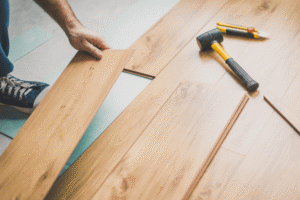
Homeowners often ask, “Can you fix water-damaged laminate flooring?” The answer depends on the extent of damage and safety concerns. Careful evaluation helps determine whether repair is possible or if replacement is the more brilliant, cost-effective choice. Recognizing when flooring cannot be saved enables you to make better property care decisions and protects your home from long-term risks.
When Repairing Laminate Flooring Still Makes Sense
Fixing water-damaged laminate flooring may be an option when the water exposure was brief, the damage is confined to a small area, and the subfloor remains dry. If there is no mould and you have matching spare planks, repairs are often practical. Some homeowners also prefer this route when they are comfortable with minor DIY work.
When Replacement Is Safer for Your Home and Health
Replacement becomes the safer choice when swelling, buckling, or gaps appear across a wider area. Any level of mould, especially underneath the flooring, should be taken seriously. Older homes in North Dallas sometimes have subfloors that hold moisture longer, increasing the risk of ongoing issues. In many cases, insurance will support a proper replacement when the damage is sudden and not due to neglect.
Insurance, Costs, and Working With a Restoration Company in North Dallas
Costs depend on the area affected, the severity of damage, the condition of the subfloor, and whether mould remediation is needed. Sudden and accidental water events are often treated differently by insurance than long-term or unnoticed damage, so homeowners should review their policies for clarity.
SS Water Restoration helps customers by documenting damage, taking photos and communicating with adjusters. We support homeowners across Collin and Denton County to ensure the process stays smooth. Learn more about our water damage restoration and insurance support services.
How to Prevent Water Damage to Laminate Flooring in North Dallas Homes
Preventing laminate flooring damaged by water involves proactive care. Homeowners in North Dallas benefit from practical strategies that protect flooring and reduce risks year-round.
Everyday Habits That Protect Your Floors
Simple habits help reduce future damage. Clean up spills quickly. Place mats near sinks and entry doors. Monitor appliances and fixtures, especially those prone to leaks over time.
Smart Upgrades for High-Risk Areas
For added protection, consider moisture barriers and better underlayment. Leak detectors installed under appliances can alert you to issues early. Regular checks of AC units, boilers, and pipework also help you catch problems before they spread. Visit our “Prevent Future Water Damage” section to learn more about long-term protection.
Need Help With Water-Damaged Laminate Flooring in Plano or North Dallas?
You do not have to decide on your own whether your laminate flooring can be repaired or replaced. SS Water Restoration offers a fast, reliable, local service with trained technicians available day and night. We respond 24/7, and our IICRC-certified team works throughout Plano, North Dallas, and Krugerville.
If your laminate flooring has been damaged by water in Plano, Aubrey, Frisco or nearby areas, call now or request a free inspection so our team can check the damage and protect your home.