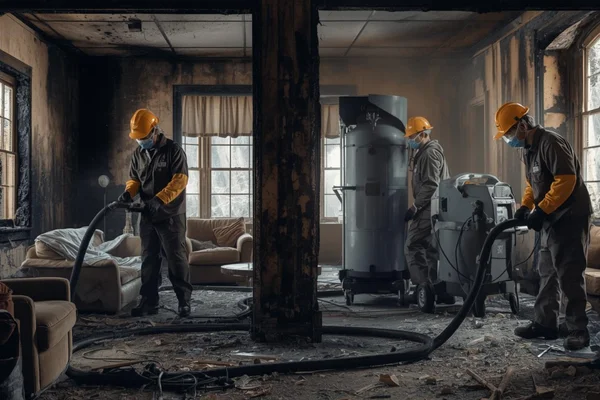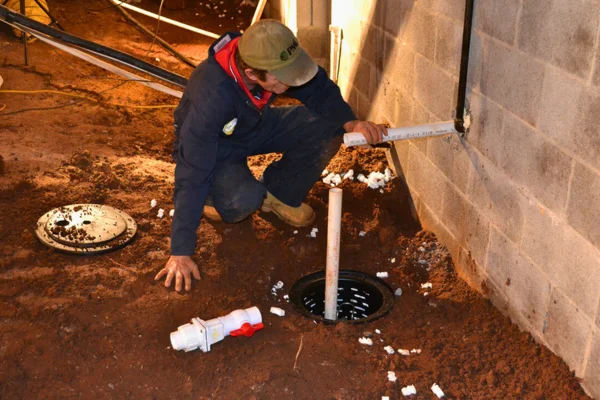

By understanding where leaks typically start and taking a few smart maintenance steps, you can save yourself stress, money, and major cleanup headaches down the road.
Why Leak Prevention Is Important for Every Homeowner
Addressing water damage in the kitchen quickly is essential to avoid structural issues and mold. Homeowners can reduce water leaks in the kitchen by checking plumbing connections, inspecting appliances, and maintaining seals around sinks. When dealing with water damage, it’s important to act fast to limit the spread of moisture.
Professional water remediation for the kitchen provides thorough drying, sanitizing, and restoration. To prevent water leaks in the home, routine inspections and prompt repairs are key. Expert water damage clean-up services from a local water remediation company ensure a safe, effective recovery and long-lasting protection.
Leak prevention isn’t just about saving money—it’s about protecting your home’s structure and keeping your kitchen safe to use.
How Small Leaks Turn Into Costly Water Damage
A slow leak under your sink or behind your fridge might not seem urgent, but water travels quickly and quietly. Leaking kitchen pipes can soak into walls or cabinetry, creating the perfect environment for mold and rot. The longer the water sits, the more extensive—and expensive—the damage becomes. Routine checks and quick repairs are your best defense.
Common Kitchen Areas Prone to Leaks
Some kitchen areas are simply more vulnerable than others. Keep an eye on:
- Sink seals and plumbing connections.
- Dishwasher hoses and drainage lines.
- Refrigerator water supply lines.
- Under-sink cabinetry.
- Floor drains or nearby pipes.
Checking these areas once a month can go a long way toward preventing serious water damage.
Why Ignoring Minor Leaks Is a Big Mistake
A small refrigerator leak or a tiny drip from your faucet may not seem like a big deal, but over time, that moisture builds up. Repairs like refrigerator leak repair or cabinet replacement can cost thousands once the water spreads. Ignoring these issues only leads to bigger, more complicated problems—often when you least expect them.
Common Kitchen Water Leak Sources You Should Watch
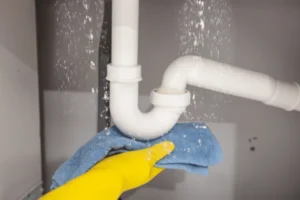
Severe water damage in the kitchen can lead to costly repairs if not addressed immediately. Homeowners can reduce water leaks in the kitchen by monitoring pipes, tightening fittings, and checking appliance lines. When dealing with water damage, quick action helps limit further harm. Let’s take a closer look at the most common sources of kitchen leaks and how to deal with them.
Dishwasher Flooding and Drainage Problems
Dishwashers can leak for several reasons: loose hoses, damaged seals, or clogged drain lines. Overloading the dishwasher can also cause water to spill out during cycles. Toprevent flooding, regularly inspect and clean these components to prevent filter buildup. This simple habit protects your kitchen cabinets from water damage and extends the life of your appliance.
Refrigerator Leaks and Ice Maker Line Issues
Refrigerators with water dispensers or ice makers are another common source of kitchen leaks. Over time, the supply line can crack or loosen. Check behind your fridge for moisture, inspect the drip pan, and tighten any loose connections. Preventing leaks here is a key part of effective water leak prevention—especially since these leaks often go unnoticed for weeks.
Leaking Kitchen Pipes and Faucet Connections
Dripping faucets and corroded pipe fittings may not seem serious, but they waste water and potentially damage your cabinets or flooring. Check under your sink for water stains or dampness. Replace old washers and fittings when needed, and use plumber’s tape to seal loose joints.
Hidden Moisture and Kitchen Cabinets Water Damage
One of the trickiest problems to catch is hidden moisture. If your cabinet doors are starting to warp or you notice a musty smell, water might be trapped behind or beneath them. A small moisture meter can help detect dampness early. This step is beneficial for preventing mold growth inside your cabinetry.
Practical Water Leak Prevention Tips for Your Kitchen
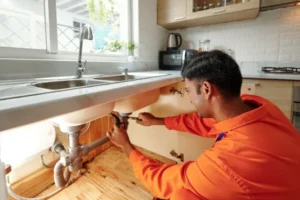
Good maintenance is your best defense against kitchen leaks. It doesn’t take a professional scan every week—just a few smart, regular habits.
Inspect Pipes, Hoses, and Connections Regularly
Take a few minutes once a month to look under your sink and around appliances. Look for corrosion, cracks, or loose fittings. Make sure hoses aren’t kinked or rubbing against sharp edges.
Clean and Maintain Appliances to Prevent Buildup
Dishwashers and refrigerators require regular cleaning to prevent mineral buildup that leads to leaks. Wipe door seals, clean filters, and inspect hoses for wear. A few minutes of maintenance keeps water flowing where it should—and off your kitchen floor.
Use Leak Detectors and Automatic Shut-Off Systems
Even with the best care, leaks can happen unexpectedly. Smart leak detectors and automatic shut-off valves can catch issues before they spread. Many devices send alerts directly to your phone if moisture is detected, giving you time to act fast.
Ensure Proper Ventilation and Humidity Control
High humidity encourages condensation, which can mimic or worsen leak problems. Use your kitchen’s exhaust fan during cooking and when washing dishes. If you live in a humid area, consider using a small dehumidifier to help maintain balanced moisture levels.
What to Do If You Discover a Kitchen Leak
If you spot a leak, take prompt action to address it. The quicker you respond, the less damage your home will sustain.
Immediate Steps to Stop Water Flow
- Turn off the main water supply or the specific valve to the leaking appliance.
- Identify the source of the leak.
- Use towels or buckets to catch dripping water.
- Unplug or turn off nearby electrical appliances for safety.
- Contact a plumber if you can’t locate the source.
How to Safely Clean and Dry the Affected Area
Once the leak is under control, dry the area thoroughly. Use towels, fans, or a dehumidifier. Disinfect with a mild vinegar solution to prevent mold. The goal is to dry everything within 24–48 hours to avoid long-term moisture problems.
When to Call Professionals for Leak Detection and Repair
If you see persistent damp spots, musty odors, or recurring leaks, it’s time to call a professional. Experts can pinpoint hidden water sources with specialized equipment and handle repairs safely.
Notice moisture near your dishwasher or sink? Schedule an inspection with our 24/7 restoration team today!
Preventing Mold and Long-Term Cabinet Damage
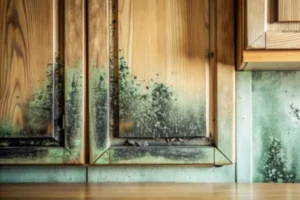
Mold can develop within 48 hours after exposure to water. If your cabinets get wet, dry them thoroughly and look out for signs of mold.
How to Dry Water-Damaged Cabinets Effectively
Empty the cabinets, increase airflow with fans, and run a dehumidifier. Wipe down all surfaces and inspect for damp areas, especially corners.
Preventing Mold After Water Exposure
Once dry, apply a mold-resistant sealant and keep the area well-ventilated. Periodically check plumbing and clean cabinet interiors to discourage moisture buildup.
Restoring or Replacing Damaged Materials Safely
If your cabinets or flooring are beyond repair, replace them with water-resistant materials. Seal all joints and edges to reduce future risk.
When to Contact a Professional Water Damage Expert
If you notice persistent water stains, a musty odor, or warped materials, it’s time to call in a professional water damage expert, such as SS Water.
Warning Signs Your Leak Needs Expert Attention
Look for these warning signs:
- Persistent dampness or mold growth.
- Unexplained increases in your water bill.
- Water stains on ceilings or walls.
- Musty odors in your kitchen.
- Weak or soft flooring.
How Professional Inspections Can Save You Money
By identifying hidden leaks early, you prevent extensive damage that leads to costly repairs. We use specialized tools to detect moisture and potential issues, ensuring your kitchen remains safe and functional.
Working With Insurance for Leak-Related Damage
Dealing with insurance after water damage can feel overwhelming, but experts make it simple. We’ll help you navigate the claims process and ensure every repair meets proper safety and quality standards.
Final Thoughts on Leak Prevention and Kitchen Safety
Staying proactive about water leak prevention in your kitchen isn’t complicated—it just takes consistency. Regularly inspect plumbing, clean your appliances, and use smart leak detectors to catch problems early. By acting fast and keeping up with simple maintenance, you’ll protect your kitchen from hidden damage and costly repairs—and enjoy peace of mind knowing your home is safe and dry.
Professional water remediation for the kitchen restores affected areas and prevents mold growth. To prevent water leaks in the home, regular maintenance and early detection are crucial. Reliable water damage clean-up services from our local water remediation company can provide expert support, ensuring your kitchen is fully dried, cleaned, and restored to safe condition. Call us today to get started and to keep your kitchen protected against water damage!