
A toilet that won’t stop overflowing, a floor drain bubbling up dark water, a foul smell rising from the basement: a sewage backup is alarming, and for good reason. This isn’t a normal mess to mop up. Sewage is classified as Category 3 “black water,” grossly contaminated with bacteria, viruses, and parasites, which makes it a genuine health hazard. Knowing what’s at stake, and what to do in the first few minutes, protects your family far more than any cleaning product.
Key Takeaways
- Sewage backup is Category 3 “black water,” the most hazardous class of water damage (IICRC S500).
- Category 3 water is grossly contaminated and can contain pathogenic, toxigenic, or other harmful agents (IICRC S500).
- Sewage carries pathogens like E. coli, Salmonella, Hepatitis A, Giardia, and Cryptosporidium (Indiana Dept. of Health).
- Keep people and pets away, avoid contact, ventilate, and call a professional for anything beyond a small spill.
Is sewage backup dangerous to your health?
Yes, very. Sewage backup is classified as Category 3 “black water,” the most dangerous category of water damage, because it carries bacteria, viruses, and parasites into your living space (IICRC S500, 2021). This isn’t an exaggeration for effect; it’s how the restoration industry formally rates the hazard.
The contamination level is severe. Under the IICRC S500 standard, Category 3 water is grossly contaminated and can contain pathogenic, toxigenic, or other harmful agents (IICRC S500, 2021). Children, older adults, and anyone with a weakened immune system face the highest risk from that exposure.
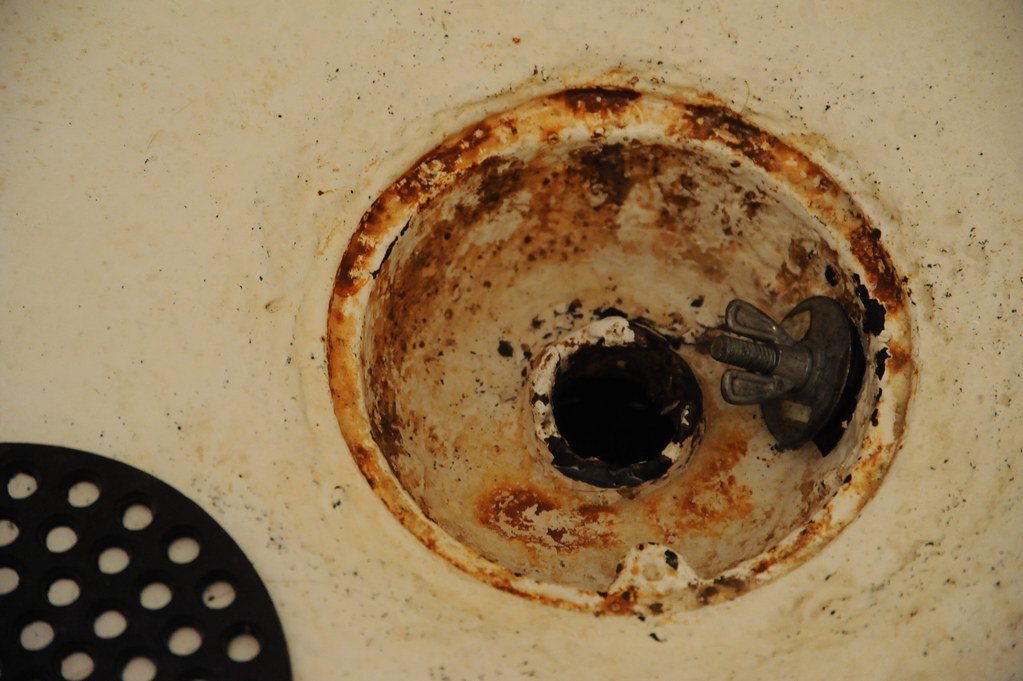
So while the instinct is to grab a mop and towels, the smarter first move is to keep everyone out of the area entirely.
What diseases can sewage exposure cause?
Sewage exposure is linked to a long list of serious infections, including E. coli, Salmonella, Campylobacter, Giardia, Cryptosporidium, and Hepatitis A (Indiana Dept. of Health, 2026). These pathogens cause everything from severe gastrointestinal illness to liver infection.
- coli, commonly found in human and animal waste, can cause severe stomach cramps, diarrhea, and vomiting, and sewage can also transmit Hepatitis A, a liver disease (Indiana Dept. of Health, 2026). Exposure can happen through direct contact, accidental ingestion, or even breathing in contaminated aerosols stirred up during cleanup.
That last point is why DIY cleanup is risky: scrubbing and wiping can aerosolize pathogens, spreading them through the air you’re breathing.
What is Category 3 “black water”?
The IICRC S500 standard classifies water damage into three categories by contamination level, and Category 3 is the worst: grossly contaminated water that can contain pathogenic, toxigenic, or other harmful agents, including sewage and flood water (IICRC S500, 2021). All floodwater is treated as Category 3 because there’s no way to know what has been mixed into it.
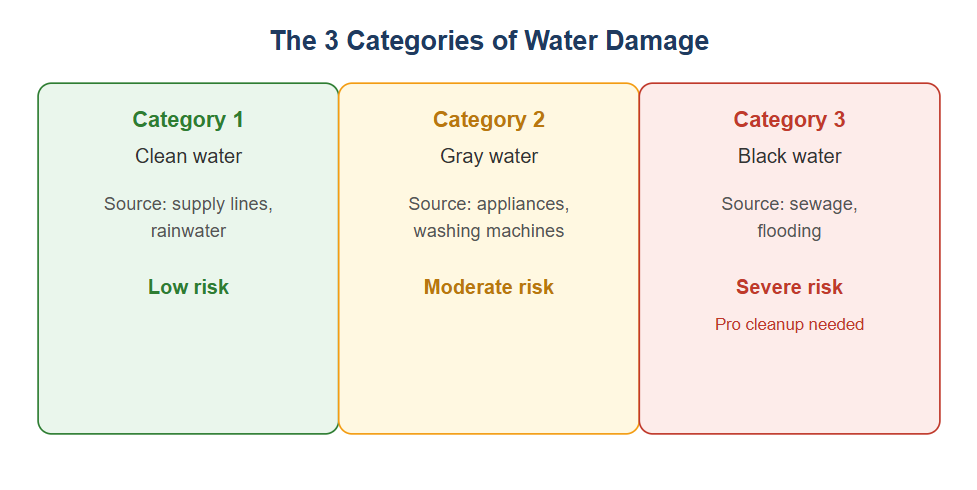 The practical meaning of “Category 3” is this: it can’t simply be dried and disinfected in place. Porous materials that absorbed it usually have to be removed.
What should you do first when sewage backs up?
Keep everyone away from the area, avoid all contact, stop using water in the house, ventilate if you can, and call a professional restoration team. Your goal in the first few minutes is containment and safety, not cleanup.
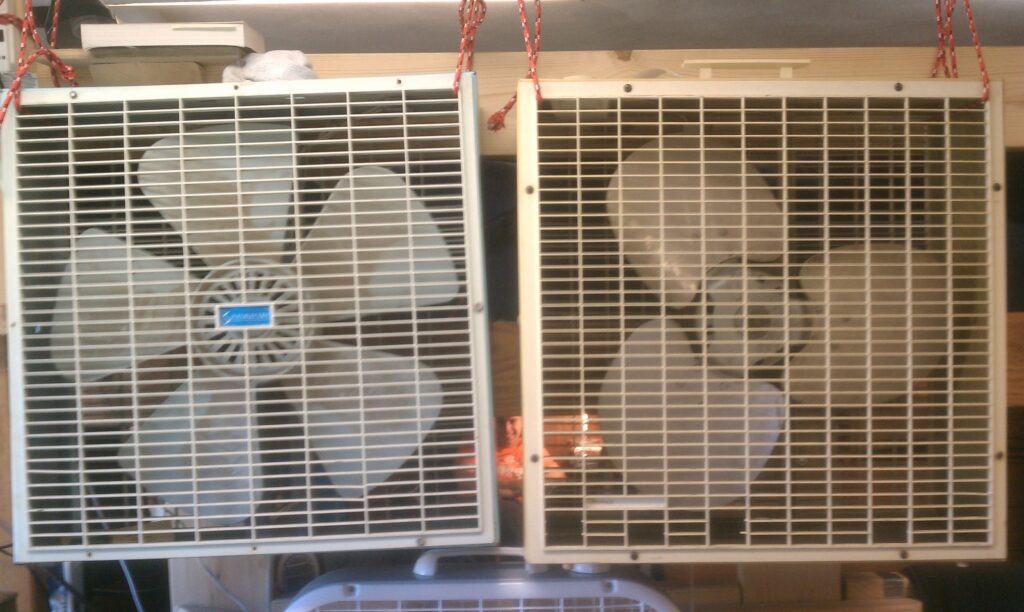
Follow these do’s and don’ts:
- Do keep children and pets out of the affected area completely.
- Do turn off the HVAC system so it doesn’t spread contaminated air.
- Do stop running water and stop flushing toilets immediately.
- Don’t wade in or try to salvage soaked porous items.
- Don’t use a household vacuum or fan on the sewage.
- Don’t eat anything that may have contacted the water.
Then call a professional. For larger backups, fast professional response also limits how far the contamination spreads into walls and flooring.
Can you clean up sewage yourself?
Only a small, freshly contained spill should ever be a DIY job, and even then only with full protective equipment and proper disinfection. Anything beyond a small area should be left to professionals, because porous materials like drywall and carpet padding usually must be removed, not just cleaned.
If you do tackle a minor spill, wear waterproof gloves, boots, eye protection, and a respirator, and bag contaminated materials for disposal. But understand the limit: you cannot disinfect saturated drywall or carpet pad back to safety. Trying to “dry and treat” contaminated porous materials is the most common DIY mistake, and it leaves pathogens behind.
How do professionals clean up a sewage backup?
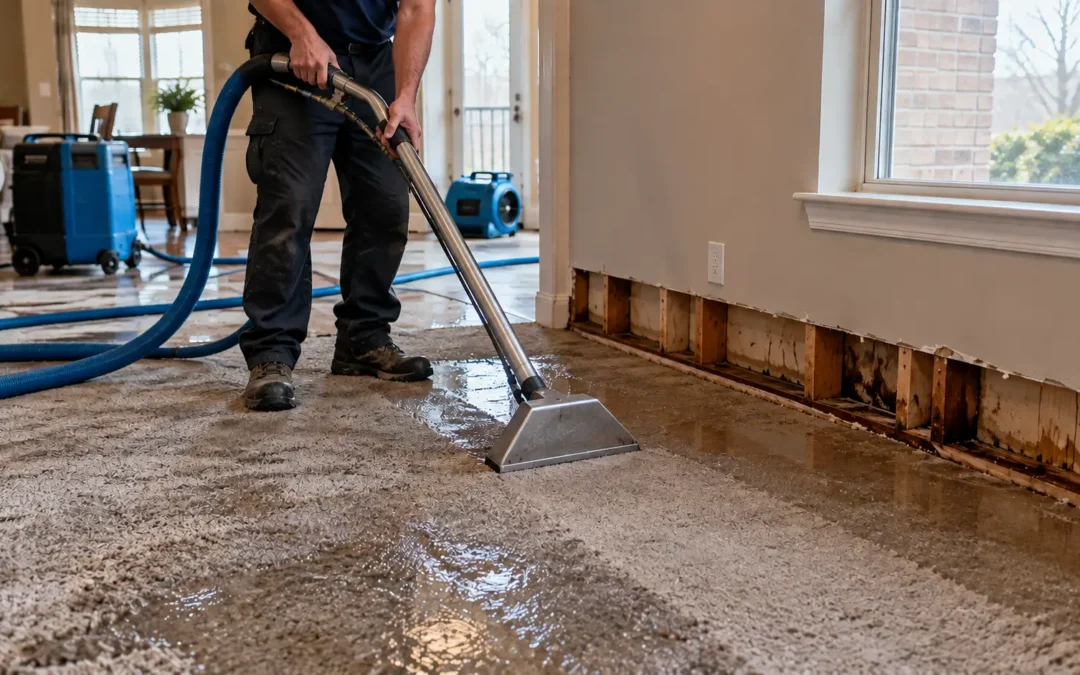
Professional sewage cleanup follows a containment-first protocol: isolate the area, extract the contaminated water, remove unsalvageable porous materials, apply antimicrobial treatment, dry the structure, and verify it’s safe before rebuilding.
A trained crew uses personal protective equipment, contains the zone to stop cross-contamination, and disposes of biohazard waste according to regulations. Our professional sewage cleanup team handles this across DFW, and our guide on why you shouldn’t wait to address sewage backups explains the timing risks, especially before storm season.
Frequently Asked Questions
Is sewage backup dangerous?
Yes. It’s classified as Category 3 “black water,” the most hazardous category of water damage (IICRC S500, 2021). Category 3 water is grossly contaminated and can contain pathogenic, toxigenic, or other harmful agents, so contact carries a real risk of serious infection, especially for children and the immunocompromised.
What diseases can sewage exposure cause?
Sewage exposure is associated with E. coli, Salmonella, Campylobacter, Giardia, Cryptosporidium, and Hepatitis A (Indiana Dept. of Health, 2026). Symptoms range from severe gastrointestinal illness to liver infection, transmitted by contact, ingestion, or inhaling contaminated aerosols.
Can I clean up sewage myself?
Only a small, contained spill, and only with full PPE and disinfection. Larger backups need professionals, because porous materials such as drywall and carpet padding usually must be removed rather than cleaned. Scrubbing sewage can also aerosolize pathogens into the air you breathe.
Does insurance cover sewage backup?
It often requires a specific sewer or water backup endorsement, which many standard policies exclude by default. Check your policy before you need it. Our overview of water damage insurance coverage explains what’s typically included.
Conclusion
A sewage backup is one of the few household emergencies where the right first move is to do less, not more: get everyone out, stop using water, and call a professional. The contamination is too hazardous, and too easy to spread, to treat like an ordinary spill.
- Sewage is Category 3 black water, the most dangerous class.
- Category 3 water is grossly contaminated and can carry dangerous pathogens.
- Keep people and pets away; don’t aerosolize it with vacuums or fans.
- Porous materials usually must be removed, which is a job for pros.
If sewage has backed up in your home, our biohazard-trained crews respond 24/7 across Dallas-Fort Worth. Schedule emergency cleanup now.
Sources
- IICRC, “S500 Standard for Professional Water Damage Restoration,” retrieved 2026-06-18, https://iicrc.org/s500/
- Indiana Department of Health, “Diseases Involving Sewage,” retrieved 2026-06-18, https://www.in.gov/health/eph/onsite-sewage-systems-program/diseases-involving-sewage/